
Every parent wants to give their child happy memories. While it’s tempting to buy the newest gadgets or trendy toys, research consistently shows that experiences create stronger and longer-lasting happiness than material possessions.
Children rarely remember every toy they received years later, but they often remember camping trips, family traditions, learning new skills, baking cookies with grandparents, or cheering at their first sports event. These experiences help shape their confidence, relationships, and emotional well-being.
Instead of focusing on what children own, consider investing in moments they can treasure for life.
In this post:
- Why Experiences Matter More Than Things
- 10 Experiences That Are Better Than Gifts
- Why Toys Fade But Experiences Grow
- Making Experiences Affordable
- Simple Ways to Prioritize Experiences
Why Experiences Matter More Than Things
Experiences provide something toys cannot:
- Stronger family connections
- Opportunities to build confidence
- Real-life learning
- Emotional resilience
- Stories that become lifelong memories
Unlike toys that lose their appeal after a few weeks, meaningful experiences often grow more valuable over time as children reflect on them.
10 Experiences That Are Better Than Toys
1. Family Adventures
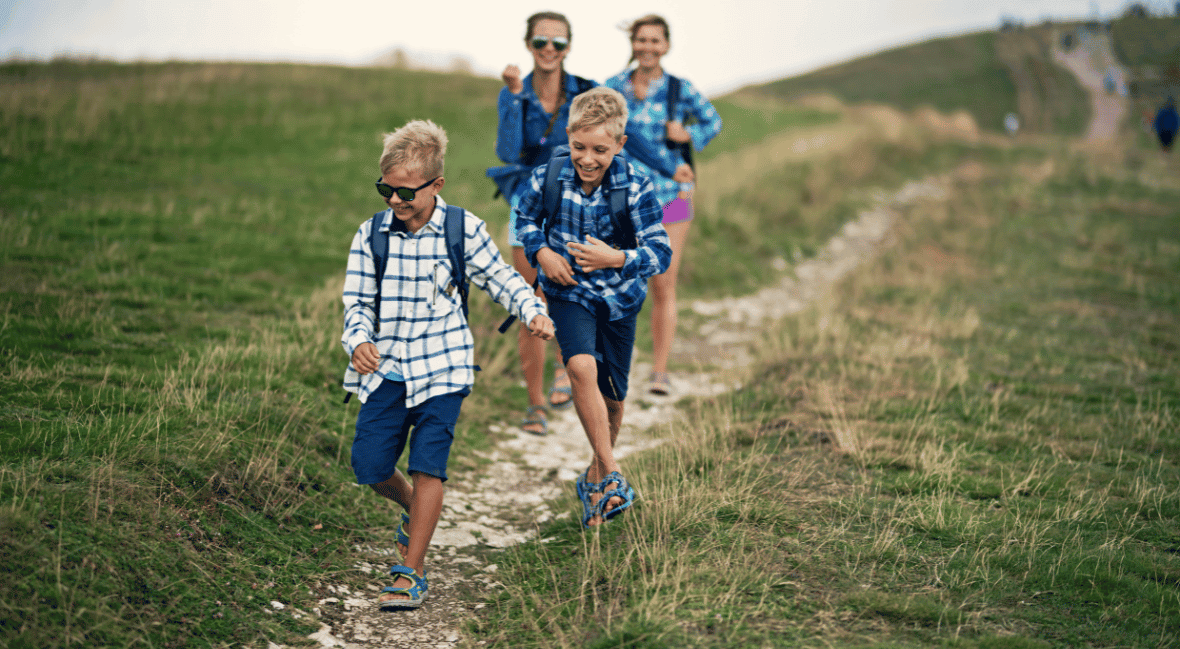
Children don’t need expensive vacations to make unforgettable memories. Simple adventures often become the stories they tell years later.
Ideas include:
- Visiting nearby nature trails
- Exploring state parks
- Beach days
- Road trips
- Camping weekends
- Visiting small towns
The excitement comes from exploring together, not from luxury accommodations.
Why it lasts
Family adventures encourage connection, shared laughter, negotiation, and kindness.
2. Learning a New Skill Together
Trying something new creates memories because children experience growth. Learning alongside parents also removes the fear of making mistakes.
Ideas include:
- Painting
- Photography
- Gardening
- Cooking
- Music lessons
- Dance classes
Some families even decide to learn to play tennis together, turning weekend practice into quality bonding time while staying active.
The goal isn’t perfection. It’s enjoying the process together.

3. Cooking Family Recipes
Children often remember the smells, sounds, and conversations in the kitchen more than the food itself.
Cooking together teaches:
- Patience
- Teamwork
- Responsibility
- Early math and literacy skills
It also provides opportunities to pass family traditions from one generation to the next. Children who help prepare meals often feel proud when they see everyone enjoy something they created.
4. Outdoor Exploration
Nature encourages imagination in ways screens and toys simply cannot.
Outdoor experiences may include:
- Nature walks
- Bird watching
- Fishing
- Hiking
- Picnics
- Stargazing
Without constant distractions, children become more observant and creative. They learn that fun doesn’t require batteries or Wi-Fi.
5. Celebrating Family Traditions
Traditions don’t have to be elaborate. Simple rituals often become the memories children cherish most.
Examples include:
- Friday movie nights
- Sunday pancake breakfasts
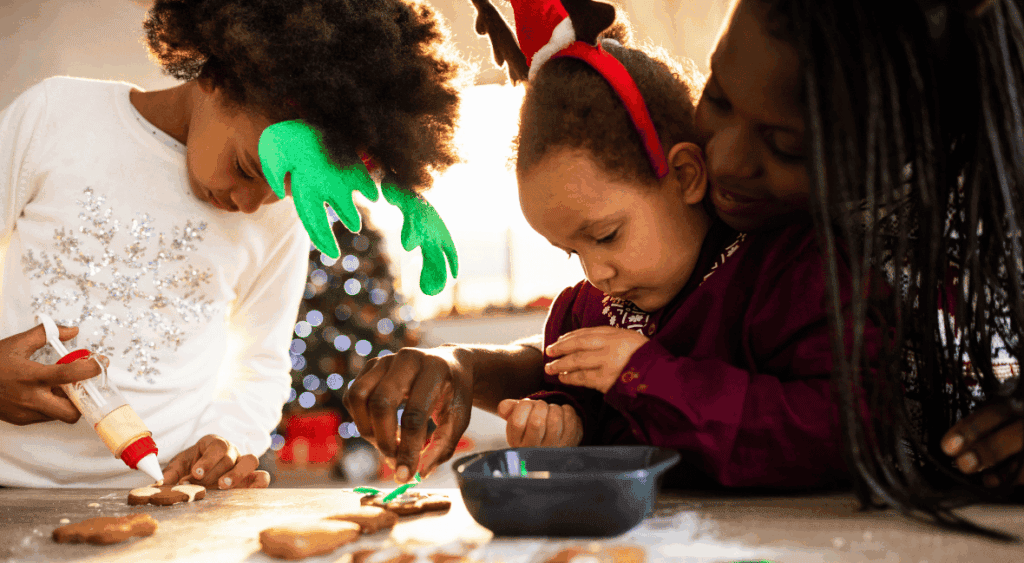
- Holiday baking
- Annual camping trips
- Birthday breakfast surprises
- Seasonal decorating together
Traditions provide consistency and help children feel secure.
6. Volunteering Together
Helping others gives children something priceless—a sense of purpose.
Family volunteering can include:
- Food drives
- Community cleanups
- Animal shelters
- Charity walks
- Helping elderly neighbors
Children learn empathy by seeing kindness in action rather than simply hearing about it.
These experiences often leave a lasting impression because they involve real human connection.
7. Creating Together
Creative activities encourage imagination while strengthening parent-child relationships.
Ideas include:
- Building forts
- Making scrapbooks
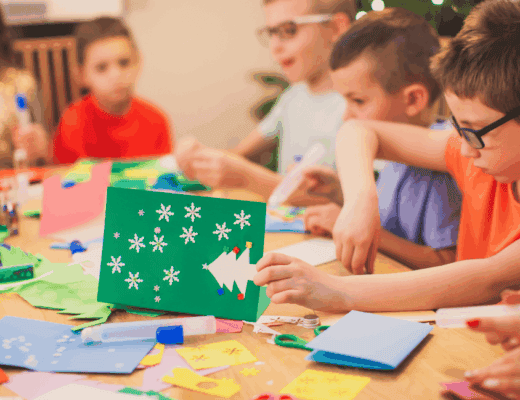
- Craft projects
- Home science experiments
- Decorating bedrooms
- Making holiday decorations
Children usually remember the fun of creating something with loved ones more than the finished product itself. Creativity also boosts confidence because there is rarely one “correct” answer.
8. Attending Community Events
Many local communities host affordable activities that children love.
Examples include:
- Festivals
- Farmers markets
- Outdoor concerts
- Local fairs
- Cultural celebrations
- Holiday parades
These events expose children to different traditions, foods, music, and people. They also help children feel connected to the community where they live.
9. Reading and Storytelling
Books create adventures without leaving home.
Reading together strengthens:
- Vocabulary
- Imagination
- Listening skills
- Emotional understanding
Children often remember the bedtime stories they shared with parents long after they’ve forgotten many toys. Storytelling can also include sharing family memories or asking children to create their own imaginative tales.
“Play is often talked about as if it were a relief from serious learning. But for children play is serious learning.”
His words remind us that meaningful experiences don’t always look educational. They often look like fun.
10. One-on-One Parent Time
Perhaps the most valuable experience costs nothing. Children deeply value undivided attention.
Ideas include:
- Going for ice cream
- Taking a walk
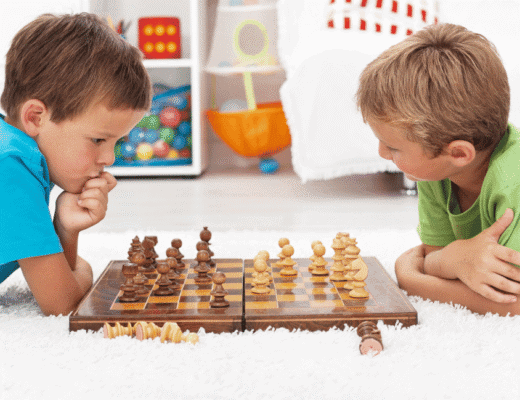
- Playing board games
- Talking before bedtime
- Visiting a library
- Watching the sunset together
Even thirty uninterrupted minutes can make children feel seen and appreciated. The memories created through genuine attention often outlast any birthday gift.

Why Toys Fade But Experiences Grow
Psychologists often explain that experiences become part of our identity. Children don’t simply remember an experience. They remember how it made them feel.
A toy may eventually break or become outdated. A memory of catching their first fish with Dad or baking cookies with Grandma becomes part of their personal story.
Experiences also create opportunities to:
- Build resilience
- Solve problems
- Practice communication
- Develop confidence
- Strengthen relationships
These lessons remain valuable well into adulthood.
Making Experiences Affordable
Creating meaningful memories doesn’t require a large budget.
Consider inexpensive activities such as:
- Family bike rides
- Backyard camping
- Library events
- Community sports days
- Museum free-admission days
- Homemade pizza nights
- Nature scavenger hunts
- DIY movie nights
- Visiting grandparents
- Exploring new neighborhoods
Children usually remember how much fun they had, not how much money was spent.
Simple Ways to Prioritize Experiences
Busy schedules can make quality time difficult, but small changes add up.
Try these ideas:
- Schedule one family activity each week.
- Let children help choose weekend outings.
- Create monthly family traditions.
- Limit screen time during shared activities.
- Take photos but avoid experiencing everything through a camera.
- Focus on being present rather than making every moment perfect.
Consistency matters more than extravagance.
Expensive toys may bring excitement for a few days or weeks, but meaningful experiences leave lasting emotional footprints. Whether it’s cooking dinner together, exploring a local park, volunteering in the community, or simply spending uninterrupted time talking, these moments help children feel loved, capable, and connected.
The greatest gift parents can offer isn’t always something wrapped in a box. It’s their time, attention, and willingness to create memories together.
Years from now, children are unlikely to remember every toy they owned, but they will remember the laughter, adventures, traditions, and shared moments that made them feel safe, valued, and deeply loved. Those experiences become the stories they carry into adulthood and, one day, may pass on to their own families.


No Comments