
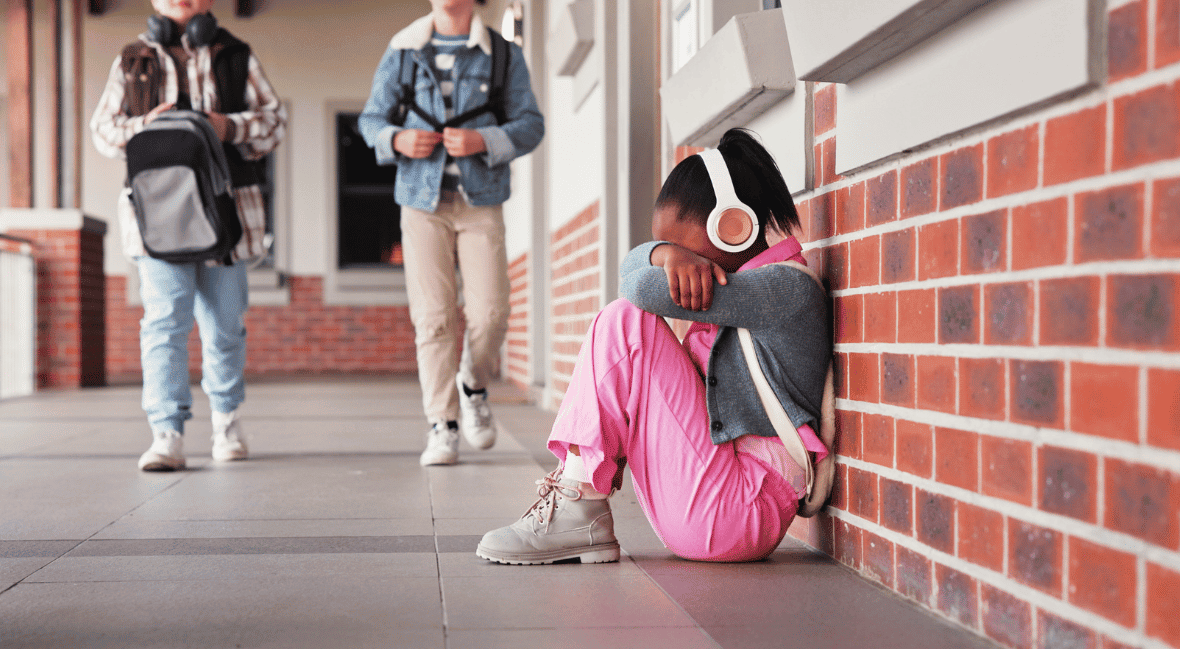
In a 2023 study, “The Nature and Scope of Educator Misconduct in K-12,” it was reported that 11.7% of 6,632 respondents had endured at least one form of educator sexual misconduct during Grades K-12.
Schools are held responsible for protecting the face of peace and growth, ensuring that students are educated toward a positive future free from abuse. Violent behavior exhibited by other children, teachers, or staff in any institution may reflect broader neglect or directly cause permanent emotional, physical, and academic harm.
At times, some children find themselves unable to report or share their situations. This might force the family out of its comfort zone to look for telltale signs of child abuse.
The family may be well served if they go to a school abuse lawyer associated with the school who can advise them on their legal rights and options. Such a lawyer could also provide guidance on safeguarding their child’s welfare.
Let’s look at the common manifestations of school abuse that parents should recognize.
In this post:
- Physical Abuse in Schools
- Sexual Abuse and Harassment
- Emotional and Psychological Abuse
- Verbal Abuse and Bullying
- Neglect and Lack of Support
Physical Abuse in Schools
Methods involving physical abuse in a school context can include hitting, pushing, and improper physical contact. Peer violence occurs when no one interferes or when staff supervision is lacking.
Schools are largely perceived as an institution that has nothing to do with this form of abuse, yet it does exist. It is mainly associated with specific private and public school environments around the country.
Child trauma from physical abuse can manifest in ways that can catch one off guard. The victim may suddenly become afraid of school and undergo drastic behavioral changes. In such an instance, families usually seek help to keep their children safe.
Safety in schools is the responsibility of the school administration. When monitoring is lacking or no action is taken regarding student misbehavior, an unhealthy situation may develop.
Sexual Abuse and Harassment
According to sexual assault lawyer Nellie L. King, sexual assault crimes are considered felonies under the law. Not only will this result in years of incarceration and thousands of dollars in fines if you are convicted, but it will also result in a criminal record, registration as a sex offender, and the severe social stigma that comes with those charges.
Sexual misconduct and harassment in schools inflict injury to the child’s sense of safety and, eventually, trust. Misconduct may range from improper remarks to undesired physical contact.
Examples of schools that receive federal funding include those under Title IX of the Education Amendments of 1972. Under this federal law, schools are obligated to address sexual harassment and take appropriate action to prevent it whenever such complaints are received.
Some of the behaviors that may be signals of child sexual abuse include overemphasis on exhibition, mood swings, evident preference for the presence of a particular adult or the company of others, demonstrated immunity to tests, and lesser academic performance.
The child should get to talk to trained advocates, school counselors, or mental health professionals. The family may have to pass the matter on to the school administrator or the relevant authorities if they are suspicious.
Emotional and Psychological Abuse
Emotional and psychological abuse may be difficult to readily identify since this type of abuse is not physical in nature. Forms of this abuse are persistent criticism, humiliation, threats, or intentional isolation. It sometimes arises from peers, but sometimes people in positions of authority take advantage of their positions and become a source of this abuse.
Withdrawal, fear, decreased capacity to concentrate, and decreased interest in activities that they were previously able to enjoy could be considered characteristics of children abandoned to emotional abuse. These effects could result in the kid failing in their academic work and feeling really low about themselves.
Giving children the independence to discuss their feelings can help them feel heard. In contrast, mental health practitioners can help the family assess whether the school environment is contributing to the child’s sadness.
Verbal Abuse and Bullying
Bullying and verbal harassment sometimes are regarded as the same thing and may involve name-calling, scoffing, threats, and harmful stereotypes regarding a child’s person or appearance. It may appear like mere language-based behavior, but the impacts are significant.
Particularly when a student is harassed, he or she might suddenly feel isolated, anxious, and unwilling to return to school. Once the hostile atmosphere is recognized, educators should intervene in any interaction between the victim and the individual who is hiding or holding back.
Persistent verbal harassment can make the school environment much more hostile and undermine students’ well-being and learning.
Neglect and Lack of Support
Duty of care from schools concerning the interests of needy children mostly resembles situations like disregard for a child’s safety or educational well-being. Blame lies with the educational institute or with special educators when students are unsecured, complaints of bullying or other misconduct against them are ignored, and students with identified needs are unaccommodated.
Neglect can manifest as schools’ inability to implement individualized plans, such as IEPs or 504 plans. Neglecting a child may result in stress in school, withdrawal, and low self-esteem.
Should individuals who lend assistance withdraw or not do enough, the child is affected for a significant time.
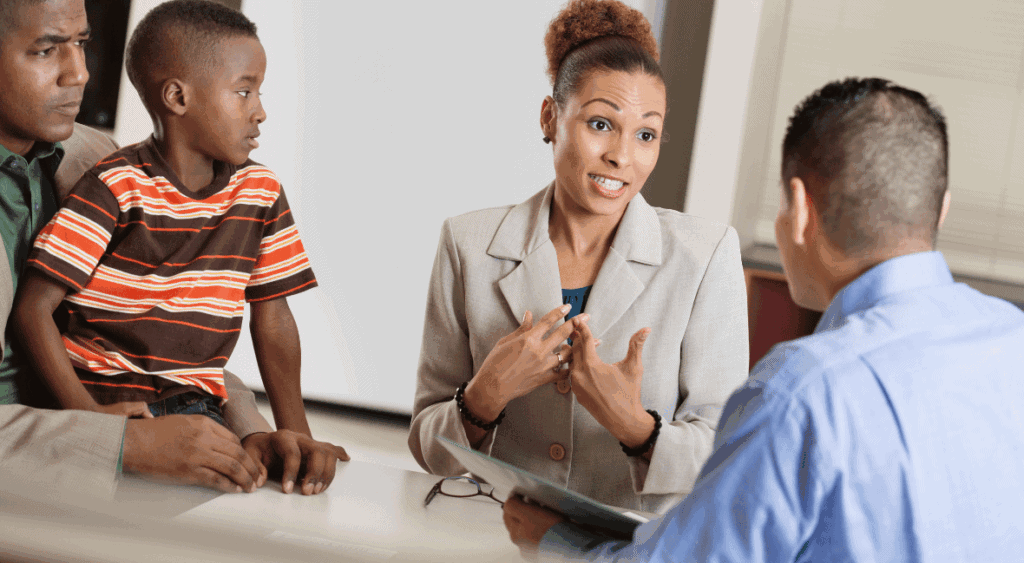
Parents usually team up with school principals, teachers, or other officials to give additional support for their children



No Comments