

Every child is unique. Some love running around outdoors, while others enjoy painting, reading, building robots, or playing music. That’s why choosing an after-school activity isn’t about finding the “best” option. It’s about finding the right fit for your child’s personality, interests, and energy level.
The right activity can give children a chance to develop new skills, build friendships, and discover passions that may stay with them for years. On the other hand, enrolling them in something that doesn’t match their personality can quickly turn an exciting opportunity into a frustrating obligation.
This guide will help you understand your child’s personality, explore different activity options, and make a choice that supports both their happiness and personal growth.
In this post:
- Why Personality Matters More Than Popularity
- What Your Child’s Personality Can Tell You
- Afterschool Activities for Kids: Ideas
- Tips and Troubleshooting
Why Personality Matters More Than Popularity
It’s easy to choose an activity because everyone else is doing it or because it seems impressive on a college application years down the road. However, children are far more likely to enjoy—and stick with—activities that match who they are.
When children participate in activities they genuinely enjoy, they often:
- Feel more motivated to attend regularly
- Build confidence through steady improvement
- Develop meaningful friendships
- Learn perseverance naturally
- Experience less stress and pressure
The goal isn’t to create a future athlete or artist overnight. It’s to help your child discover what excites them.
What Your Child’s Personality Can Tell You
Before signing up for any program, spend some time observing your child.
Ask yourself:
- Do they enjoy working with others or independently?
- Are they energetic or calm?
- Do they enjoy competition?
- Are they naturally creative?
- Do they prefer structured routines or open-ended exploration?
These observations can narrow down activities that feel enjoyable rather than overwhelming.
Afterschool Activities for Kids: Ideas
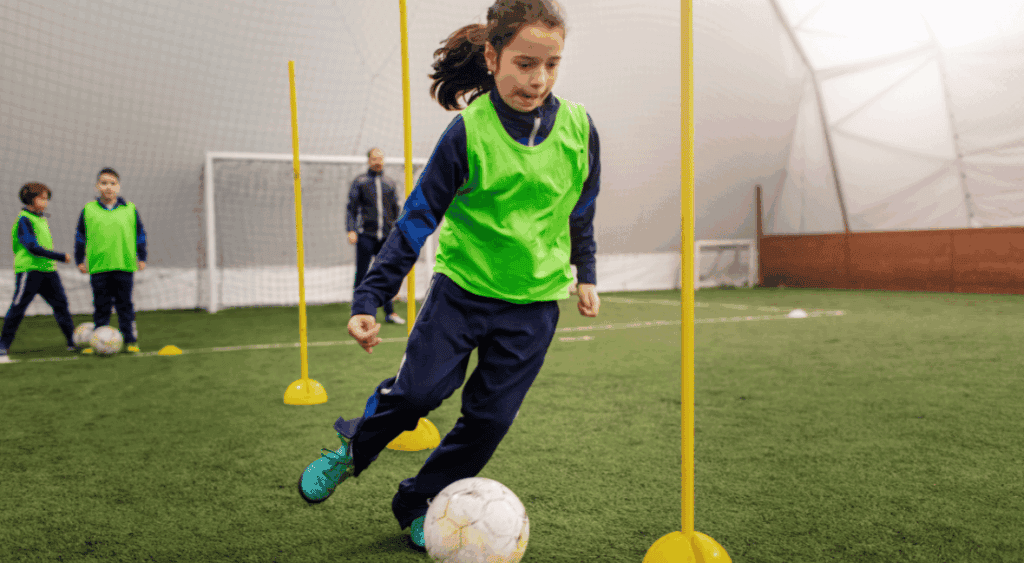
• For Energetic Children
Children with endless energy usually enjoy activities that allow them to move constantly.
Some excellent choices include:
- Soccer
- Basketball
- Martial arts
- Dance
- Gymnastics
- Track and field
- Skateboarding
- Cycling
Physical activities provide an outlet for energy while helping children improve coordination and teamwork.
If your child enjoys water and feels comfortable in aquatic environments, swim classes can also be an excellent option, combining physical exercise with an important life skill.
According to the Centers for Disease Control and Prevention (CDC), children and adolescents aged 6–17 years should get at least 60 minutes of moderate-to-vigorous physical activity every day to support healthy growth, stronger bones, and cardiovascular health.
This recommendation highlights the importance of choosing activities that keep children consistently active rather than occasionally busy.
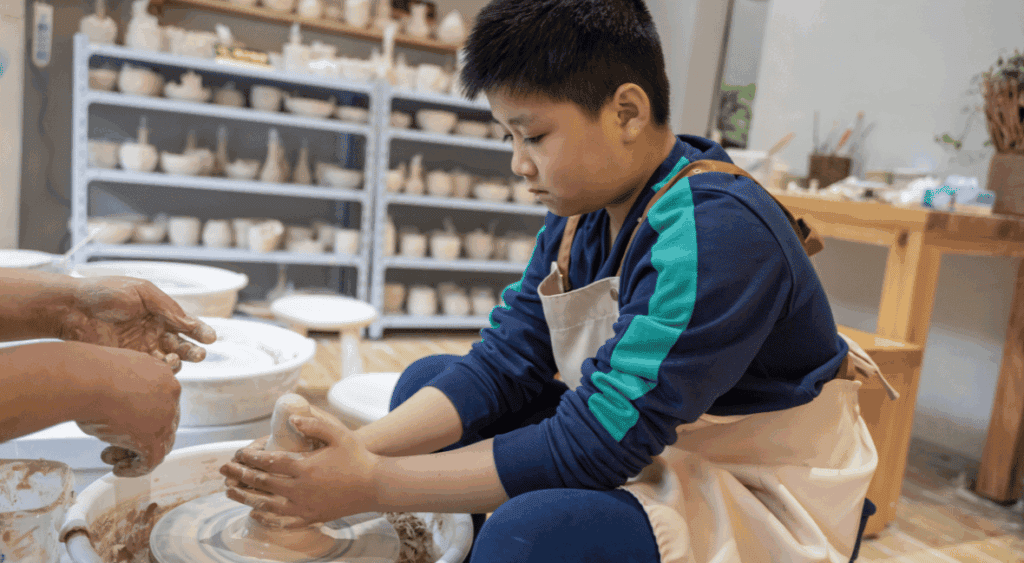
• For Creative Thinkers
Creative children often enjoy expressing themselves rather than competing against others.
Consider activities like:
- Drawing
- Painting
- Pottery
- Photography
- Theater
- Creative writing
- Music lessons
- Film making
These hobbies encourage imagination while allowing children to build confidence through self-expression.
Many creative children also appreciate activities where there isn’t a single “correct” answer.
• For Curious Problem Solvers
Some children naturally ask questions, enjoy puzzles, and love figuring things out.
They may enjoy:
- Robotics
- Coding clubs
- Chess
- STEM programs
- Science clubs
- Model building
- Engineering workshops
These activities encourage critical thinking while satisfying their natural curiosity.
• For Social Butterflies
Children who love talking, collaborating, and meeting new people often thrive in group settings.
Activities to explore include:
- Team sports
- Drama clubs
- Choir
- Debate
- Community volunteering
- Youth leadership groups
These environments help children strengthen communication and teamwork skills while making lasting friendships.
• For Quiet and Thoughtful Children
Not every child enjoys noisy group environments.
Some children feel happiest when activities allow them to focus quietly.
Great options include:
- Reading clubs
- Art classes
- Gardening
- Nature photography
- Individual music lessons
- Sewing
- Cooking
- Bird watching
Giving introverted children time to recharge while learning something new often leads to greater enjoyment.

Tips and Troubleshooting
• Avoid Choosing Based on Trends
One of the biggest mistakes parents make is choosing activities because they’re currently popular.
Just because a neighbor’s child enjoys soccer doesn’t mean yours will. Likewise, forcing children into activities simply because they once showed mild interest may lead to frustration.
Instead, ask:
- Does my child smile when talking about this?
- Do they look forward to attending?
- Are they improving while still having fun?
If the answer is yes, you’re probably on the right track.
• Let Children Explore
Children don’t always know what they’ll enjoy until they try it. Encourage exploration without expecting immediate long-term commitment.
Many organizations offer:
- Trial lessons
- Introductory workshops
- Seasonal camps
- One-day experiences
Trying different activities helps children discover hidden interests while reducing pressure.
Expert Perspective
Educational psychologist Carol Dweck emphasizes the value of encouraging children to embrace learning rather than fearing mistakes:
“Becoming is better than being.”
Activities that allow children to practice, improve, and enjoy the learning process often create stronger long-term motivation than those focused only on winning.
• Consider Your Child’s Schedule
An overloaded schedule can reduce the enjoyment of even the best activity.
When planning, think about:
- Homework time
- Family dinners
- Free play
- Sleep
- Weekend commitments
Children also need downtime to relax and recharge and don’t need to be overloaded with activities.
One or two meaningful activities are often more beneficial than filling every afternoon.
• Watch for Signs It’s the Right Fit
A good after-school activity usually leads to positive changes over time.
Signs include:
- Your child talks excitedly about classes.
- They practice without constant reminders.
- They make new friends.
- Their confidence gradually improves.
- They willingly attend each week.
Progress doesn’t have to mean becoming the best in the class. Sometimes, simply looking forward to attending is the biggest success.
Research published by Harvard University’s Center on the Developing Child explains that supportive experiences outside the classroom help children strengthen executive function skills such as planning, attention, and self-control.
Well-designed after-school activities provide opportunities for children to practice these skills in enjoyable, real-world settings.
Another Expert Perspective
Child development expert Dr. Kenneth Ginsburg, pediatrician at the Children’s Hospital of Philadelphia, highlights the importance of allowing children opportunities to develop through meaningful experiences:
“Children are remarkably resilient when they have opportunities to develop competence and confidence.”
His perspective reminds parents that activities should support growth rather than simply fill a schedule.
• Don’t Forget Practical Factors
Even the perfect activity needs to fit your family’s routine.
Consider:
- Distance from home or school
- Transportation
- Cost
- Equipment requirements
- Time commitment
- Instructor experience
- Class size
Choosing something manageable increases the chances of long-term participation.
• When It’s Okay to Quit
Parents often worry about teaching children perseverance.
While commitment is valuable, staying in an activity that consistently makes a child unhappy isn’t always productive.
It may be time to reconsider if:
- Your child dreads every session for several weeks.
- Anxiety outweighs enjoyment.
- The activity clearly doesn’t match their interests.
- They want to explore another genuine passion.
Quitting one activity isn’t failure—it can be part of discovering the right one.
• Encourage, Don’t Control
Parents naturally want what’s best for their children. However, children benefit most when they feel involved in the decision-making process.
Instead of saying: “You’re taking piano lessons.”
Try asking:
- Which activity sounds most exciting?
- Would you rather try sports or arts?
- Would you like to join a friend or try something new?
Children who feel a sense of ownership over the decision are often more committed.
Building Confidence Through the Right Match
After-school activities should never feel like another academic requirement.
They should provide opportunities to:
- Learn new skills
- Build friendships
- Develop resilience
- Discover passions
- Improve confidence
- Enjoy healthy challenges
For children who enjoy both exercise and learning practical life skills, swim classes offer a balanced combination of fitness, discipline, and fun while accommodating a wide range of personalities.
Every child has different strengths, interests, and ways of learning. The best after-school activity isn’t necessarily the most competitive, expensive, or popular. It’s the one that matches your child’s personality and encourages them to grow at their own pace.
Observe their interests, give them opportunities to explore, and remain flexible as those interests evolve. Whether they thrive on a sports field, in an art studio, on a stage, or in a science lab, the right activity can become much more than a hobby. It can help shape confidence, independence, and a lifelong love of learning.
By focusing on personality instead of expectations, parents can make after-school time one of the most rewarding parts of a child’s day.




No Comments