
Balance and coordination are two of the most important physical skills children develop as they grow. These abilities affect everything from running across a playground to participating in sports, dancing, climbing, and even everyday tasks like carrying a backpack or tying shoes.
The good news is that children don’t need repetitive exercises to improve these skills. They learn best through enjoyable activities that challenge their bodies in different ways while keeping them engaged. Whether they’re jumping, balancing, catching, climbing, or trying a new sport, every movement helps strengthen the connection between the brain and muscles.
Parents often worry when their child seems clumsy or less confident during physical activities. In many cases, the solution isn’t more structured training. It’s simply providing more opportunities for active play.
In this guide, we’ll explore why balance and coordination matter, how they develop, and the fun activities that naturally help children build these essential life skills.
In this post:
- Why Balance and Coordination Matter
- Fun Activities That Naturally Improve Balance
- Activities That Improve Coordination
- Outdoor Adventures That Challenge the Whole Body
- Indoor Games That Build Movement Skills
- Why Core Strength Supports Better Balance
- Making Practice Feel Like Play
- Safety Tips for Active Play
- Encouraging Children Who Lack Confidence
Why Balance and Coordination Matter
Balance is the body’s ability to stay stable while standing still or moving. Coordination is the ability to use different body parts together efficiently to perform smooth movements.
Together, these skills help children:
- Walk and run confidently
- Climb stairs safely
- Ride bikes and scooters
- Participate in team sports
- Improve handwriting and fine motor skills
- Develop better posture
- Reduce the risk of falls and injuries
- Build confidence during physical activities
Strong coordination also helps children react quickly to changing situations, whether they’re catching a ball or navigating a busy playground.
The Science Behind Movement Development
Children develop balance and coordination through repeated movement experiences. Every jump, hop, climb, and throw strengthens communication between the brain, muscles, joints, and sensory systems.
Three systems work together to maintain balance:
- Vision: Helps children understand where they are in space.
- Vestibular system: Located in the inner ear, it detects movement and changes in head position.
- Proprioception: Sensors in muscles and joints tell the brain where each body part is located.
As children practice different movements, these systems become more efficient, leading to smoother, more controlled actions.
Most Children Need More Daily Movement
According to the World Health Organization (WHO), children and adolescents aged 5–17 years should accumulate at least 60 minutes per day of moderate-to-vigorous physical activity across the week to support healthy growth and development.
This recommendation highlights how regular movement isn’t just beneficial for fitness. It also provides countless opportunities to strengthen balance and coordination through active play.
Fun Activities That Naturally Improve Balance
Children rarely think about improving balance—they simply enjoy moving. The following activities make practice feel like play.
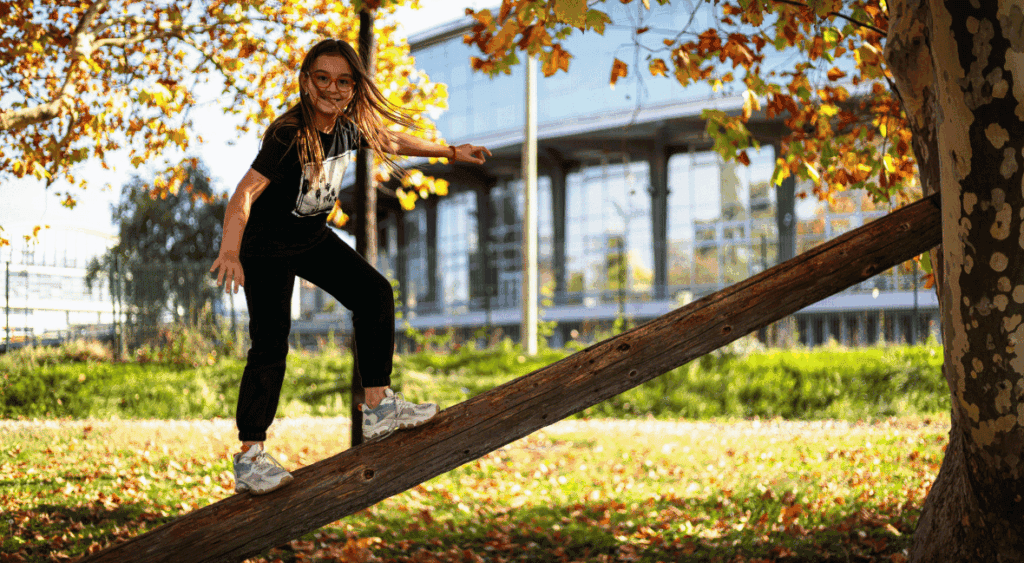
1. Walking on Balance Beams
A simple balance beam doesn’t have to be expensive.
Children can practice by walking on:
- A painted line
- Wooden beam
- Low curb
- Rope placed on grass
- Playground balance structures
To make it more challenging:
- Walk backward.
- Carry a bean bag.
- Balance while holding arms overhead.
- Walk heel-to-toe.
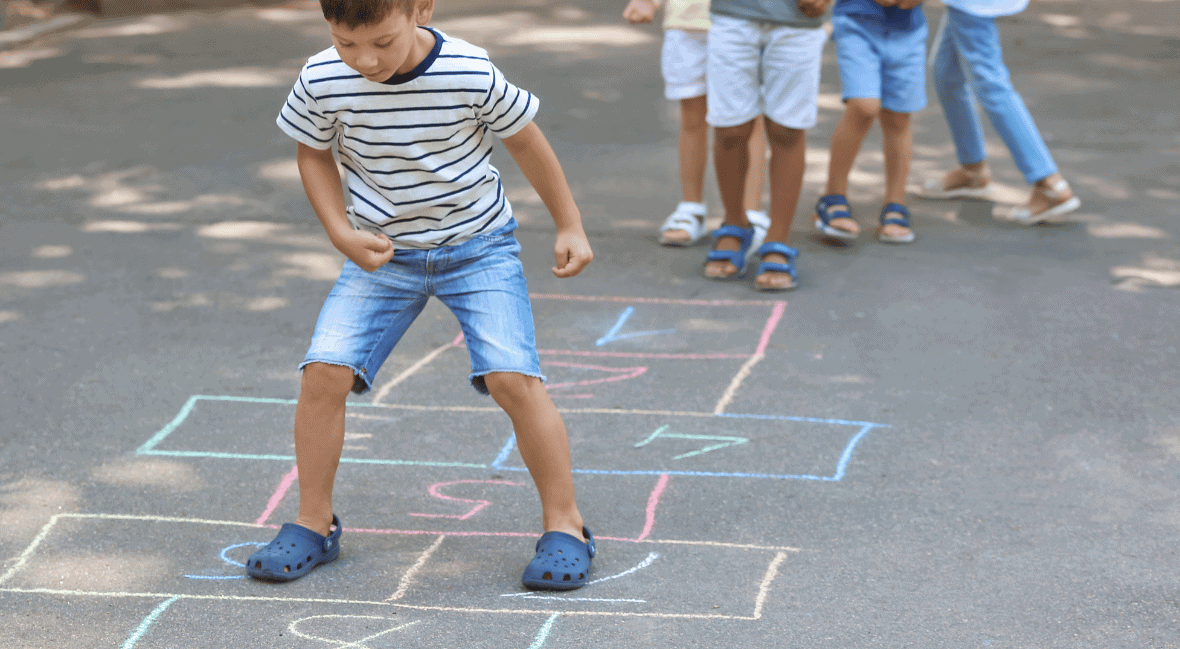
2. Hopscotch
Hopscotch combines hopping, jumping, landing, and quick directional changes.
Benefits include:
- Single-leg balance
- Lower-body strength
- Timing
- Spatial awareness
Children also improve rhythm and body control without realizing they’re practicing valuable motor skills.
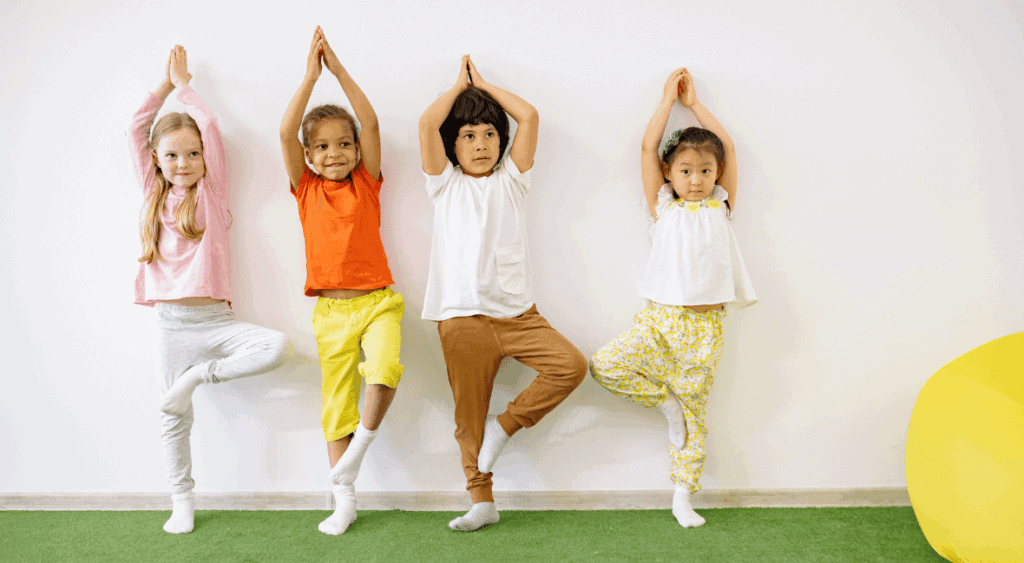
3. Yoga for Kids
Simple yoga poses help children stabilize their bodies and improve flexibility.
Popular beginner poses include:
- Tree Pose
- Flamingo Pose
- Warrior Pose
- Downward Dog
- Cat-Cow Stretch
Holding each position for several seconds encourages body awareness and concentration.
4. Obstacle Courses
Obstacle courses combine multiple movement skills into one exciting challenge.
Include activities like:
- Crawling under ropes
- Stepping over cones
- Jumping across hoops
- Balancing on beams
- Zigzag running
- Climbing over cushions
Changing the layout regularly keeps children motivated.
Activities That Improve Coordination
Coordination develops when multiple body parts work together efficiently.
• Throwing and Catching Games
Simple ball games help children improve:
- Hand-eye coordination
- Timing
- Reaction speed
- Focus
Start with larger soft balls before progressing to smaller ones.
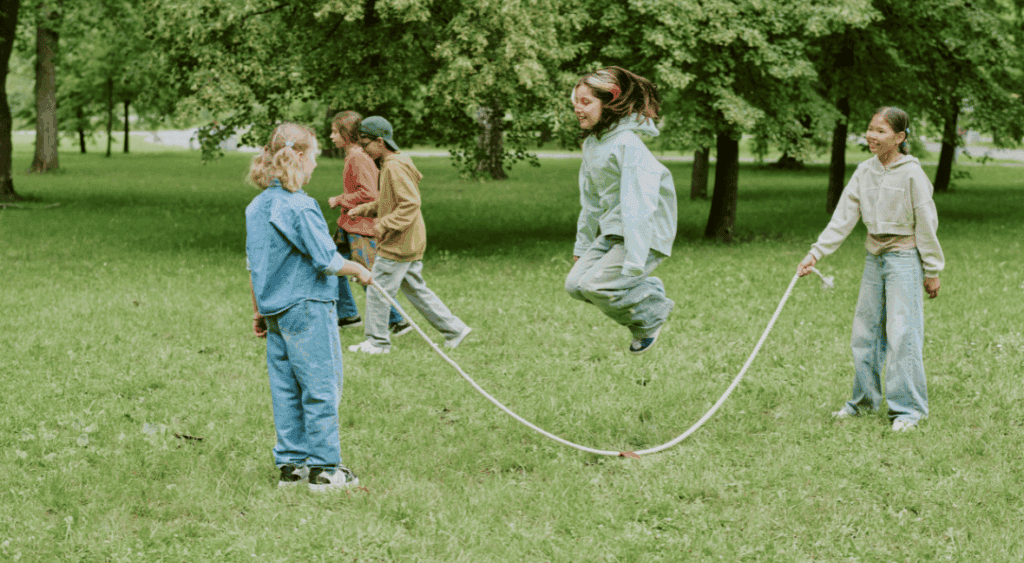
• Jump Rope
Jump rope requires children to coordinate:
- Hands
- Feet
- Eyes
- Timing
- Rhythm
Even beginners benefit from practicing simple jumps before learning advanced patterns.
• Dance
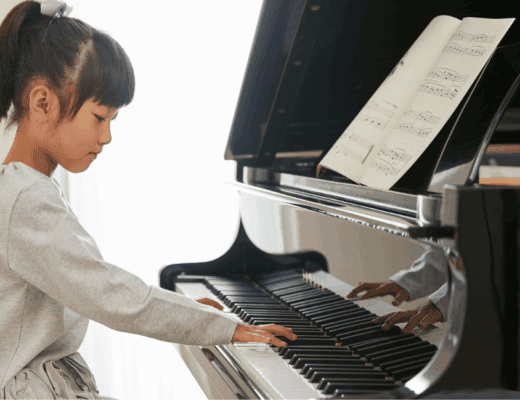
Dance combines music with movement, encouraging children to coordinate different body parts while following rhythm.
Styles can include:
- Hip-hop
- Ballet
- Folk dance
- Freestyle
- Cultural dances
Children often improve confidence while learning movement patterns.
• Balloon Games
Balloons move slowly, making them perfect for younger children.
Fun games include:
- Keep the balloon in the air.
- Tap with alternating hands.
- Use knees or elbows.
- Play balloon volleyball.
These games strengthen reaction time while keeping activities safe indoors.
Outdoor Adventures That Challenge the Whole Body
Outdoor environments naturally introduce uneven surfaces and changing conditions that improve balance.
Excellent options include:
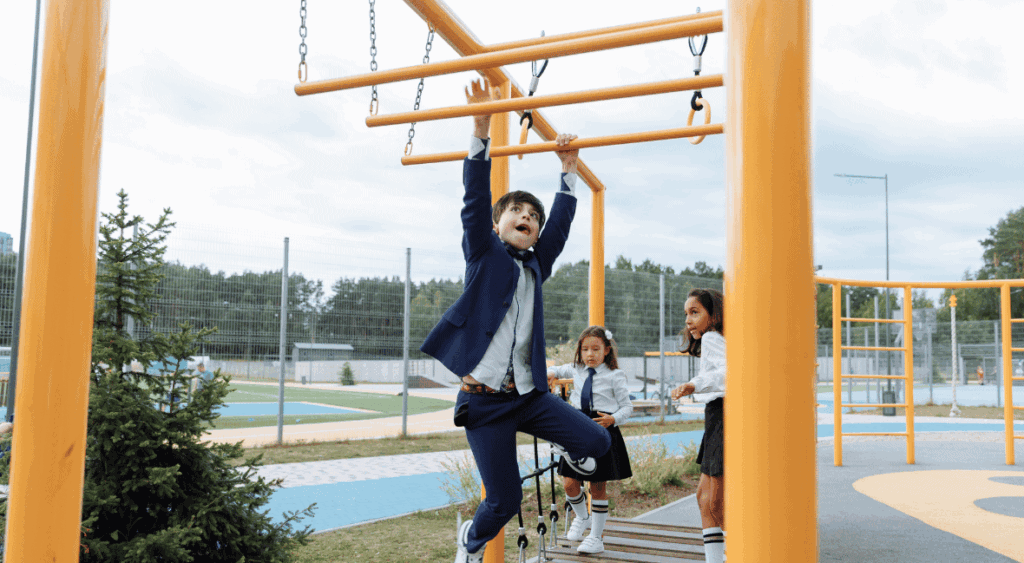
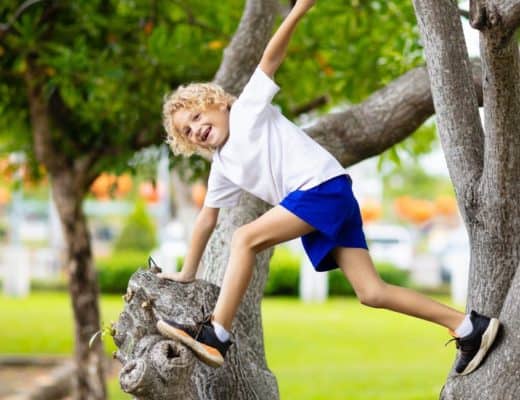
• Playground Climbing
Climbing equipment develops:
- Core strength
- Grip
- Body awareness
- Coordination
Children constantly adjust their balance while climbing.
• Nature Walks
Walking on:
- Dirt trails
- Grass
- Rocks
- Small hills
requires constant adjustments, helping children improve stability naturally.
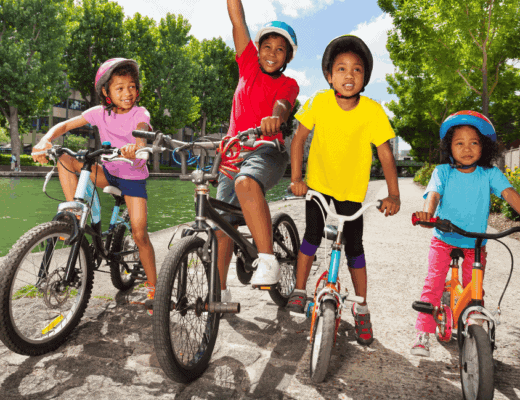
• Riding Bikes and Scooters
Both activities challenge children to maintain balance while coordinating steering, pedaling, braking, and body positioning.
As confidence grows, children become more comfortable managing different speeds and directions.
• Learning skateboarding
One enjoyable way to challenge balance is skateboarding. As beginners learn how to stand, shift weight, push, and turn, they gradually develop stronger core muscles, body control, and coordination.
Starting on smooth, safe surfaces while wearing proper protective gear allows children to build confidence at their own pace.
Indoor Games That Build Movement Skills
Rainy weather doesn’t have to stop active learning.
Try:
- Simon Says
- Musical statues
- Pillow stepping paths
- Animal walks (bear, crab, frog, duck)
- Bean bag toss
- Floor is Lava
These games encourage movement while improving balance and coordination in small spaces.
Why Core Strength Supports Better Balance
The core includes muscles around the:
- Abdomen
- Lower back
- Pelvis
- Hips
A strong core helps children stabilize their bodies during movement.
Fun core-strengthening activities include:
- Planks
- Bear crawls
- Wheelbarrow walks
- Swimming
- Monkey bars
- Climbing walls
Rather than focusing on exercises alone, mixing these movements into games keeps children engaged.
Making Practice Feel Like Play
Children improve fastest when movement feels enjoyable rather than forced.
Parents can encourage this by:
- Joining the activities.
- Praising effort instead of perfection.
- Rotating games regularly.
- Letting children choose activities.
- Celebrating small improvements.
- Playing outdoors whenever possible.
Keeping sessions short and varied helps maintain enthusiasm.
Safety Tips for Active Play
While encouraging movement, safety should always come first.
Remember to:
- Choose age-appropriate activities.
- Supervise younger children.
- Use helmets and protective gear when needed.
- Check playground equipment before use.
- Stay hydrated during outdoor play.
- Allow proper warm-ups before vigorous activities.
Safe environments help children feel comfortable trying new movements.
Encouraging Children Who Lack Confidence
Some children hesitate to participate because they fear falling or making mistakes.
Parents can help by:
- Starting with simple challenges.
- Avoiding comparisons with siblings or friends.
- Celebrating progress.
- Giving children time to master each skill.
- Offering encouragement instead of pressure.
Confidence often grows naturally as children experience success.
“Children need opportunities to participate in a variety of fun and safe physical activities that support the development of movement skills.”
– Source: Centers for Disease Control and Prevention (CDC) – Physical Activity Basics for Children
Building Healthy Habits That Last
Balance and coordination aren’t developed overnight. They improve gradually through consistent movement, exploration, and play. Every hop, climb, throw, and jump gives children another opportunity to strengthen their bodies and gain confidence in what they can do.
Parents don’t need expensive equipment or specialized programs to support this growth. Simple games at home, playground visits, family walks, dancing in the living room, or trying activities like skateboarding can all contribute to better movement skills while creating enjoyable family memories.
By making physical activity a regular part of everyday life, families help children build stronger balance, smoother coordination, and greater confidence that will support them in sports, school, and everyday adventures for years to come.
No Comments