Preschoolers are so incredibly capable!
They can get dressed, prepare simple foods, clean up spills, care for their belongings, and contribute to their families in meaningful ways. They may not do everything quickly, or exactly the way an adult would, but that doesn’t mean they can’t do it.
Developing self-help skills for preschoolers is largely about giving kids the time, practice, and access they need to do things for themselves. Rather than constantly teaching, directing, or taking over, we can often help most by slowing down, stepping back, and creating an environment where independence is actually possible.
What Are Self-Help Skills for Preschoolers?
Self-help skills are the everyday tasks kids learn to do for themselves. These include dressing, eating, using the bathroom, caring for their bodies, cleaning, organizing their belongings, and helping with household responsibilities.
These practical skills build independence, but they also give kids a sense of belonging and significance (psst, these are key emotional needs that must be met for kids).
When preschoolers can care for themselves and contribute to their family or classroom, they learn: “I’m capable! I can do real things! I can help! I’m an important part of this group!”
Preschoolers are more capable than we sometimes realize. Needing help occasionally doesn’t mean they need adults to do everything for them.
Their work won’t look perfect, and that’s okay! A preschooler might put a shirt on backward, leave a few crumbs on the table, or take several minutes to zip a coat. That’s all part of learning. The goal is growing competence and confidence, not perfection.
How to Teach Self-Help Skills
Preschoolers aren’t born knowing how to complete everyday tasks. They need adults to demonstrate new skills, make their environment accessible, and give them plenty of opportunities to practice.
Here are four practical ways to help preschoolers become more independent.
• Take Time for Training
Before expecting a preschooler to complete a task independently, take time to show them how to do it. Slow the task down and demonstrate each step in the order they need to occur.
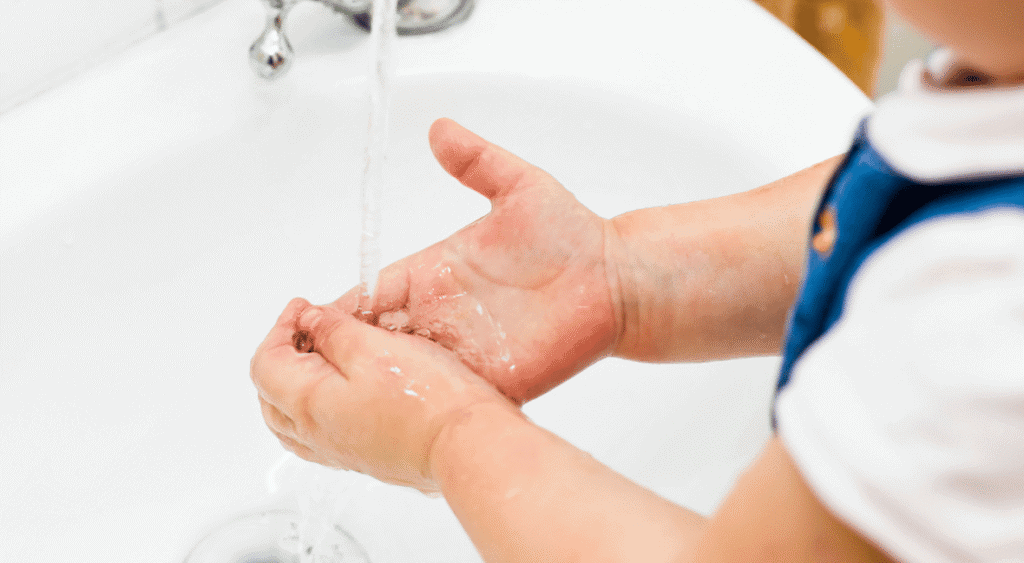
Something that feels simple and automatic to an adult may involve several unfamiliar steps for a child. Washing hands, for example, requires a child to turn on the water, wet their hands, get soap, scrub, rinse, turn off the water, and dry their hands.
You can demonstrate a new skill, complete it together, and then have your child try it. Simple visual reminders can also help preschoolers remember routines. A few pictures near the sink showing the steps for washing hands can reduce the need for repeated adult directions.
When kids need help, try assisting with only the difficult part rather than taking over the entire task. You might start the zipper and let your child pull it up, loosen a tight lid before handing the container back, or hold a sleeve while your child pushes their arm through.
Training takes time at first, but that initial investment makes it possible for kids to do more independently later.
• Make Changes to the Environment
Sometimes a preschooler isn’t unable to complete a task; the environment simply isn’t designed for them!
Imagine trying to prepare food in a kitchen where every counter was above your head and all the dishes were stored out of reach. You’d need help too!
Look around your home from your child’s height and consider what they can reach, see, lift, open, and put away. Small environmental changes can make a big difference.
You might:
- Place a sturdy step stool near the sink
- Move cups, plates, and bowls to a lower shelf
- Install low hooks for coats and backpacks
- Keep a small pitcher of water within reach
- Store cleaning cloths in a low drawer or basket
- Use easy-to-open containers
- Add picture labels to toy bins
- Place a laundry hamper where kids can reach it
- Choose clothing with manageable fasteners
- Provide child-sized cooking and cleaning tools
- Create a low snack shelf with approved choices
- Store clothing in low drawers
- Keep toothbrushes and hairbrushes accessible
The goal isn’t to make everything in your home accessible. Dangerous or inappropriate items still need to be stored securely. Instead, intentionally make the things kids are allowed to use safe and easy for them to access. It really will allow them to do so much more themselves!
• Allow for Lots of Practice
Self-help skills require practice, usually much more practice than adults expect. Preschoolers are still developing their coordination, strength, planning skills, and frustration tolerance.
They need repeated opportunities to try, make mistakes, adjust, and try again. A child may spill water the first several times they pour it, put their shoes on the wrong feet, or leave crumbs behind after wiping the table. These imperfect attempts aren’t signs that they’re incapable. They’re how kids learn.
Try not to redo every task or correct every small mistake, especially in front of your child. If adults immediately redo everything, kids may begin to believe their efforts aren’t useful.
We can demonstrate a skill, practice alongside a child, or kindly point out something that still needs attention. But it helps to remember that preschoolers are beginners. Whenever possible, value their participation more than the final result.
• Plan Extra Time So Kids Really Can Do It Themselves!
Preschoolers take SO. MUCH. LONGER. than adults to complete everyday tasks! If there’s only enough time for an adult to put on the shoes, zip the coat, and pack the backpack, kids don’t really have the opportunity to be independent.
Whenever possible, build extra time into your routines. Start getting ready a few minutes earlier so your child can attempt their own clothes and shoes. Leave time after meals for them to carry their dishes to the sink and wipe their place. Avoid waiting until the last possible minute to pack bags or clean up.
There will still be rushed mornings and days when you need to provide more help. That’s normal. Independence doesn’t have to happen perfectly every time.
However, when extra time is regularly built into the day, preschoolers get far more opportunities to do as much as they can for themselves.
90 Self Help Skills for Preschoolers
Here are some of the many self-help skills preschoolers can practice. Every child develops at their own pace, so use this list for ideas, not as a checklist of what every preschooler “should” already be able to do.
Kids will still need reminders, supervision, and occasional help as they learn.
• Dressing Skills
Getting dressed involves balance, coordination, fine motor control, body awareness, and planning. It’s a surprisingly complicated process!
Choose clothing that makes independence possible. Elastic waistbands, wide neck openings, large zipper pulls, and shoes with simple closures are generally easier for preschoolers to manage. You can also lay clothing out in the order it will be put on.
Self-help dressing skills for preschoolers can include:
- Choosing between two weather-appropriate outfits
- Pulling a shirt over their head
- Putting on and pulling up pants
- Putting on underwear
- Putting on socks
- Putting on and taking off shoes
- Putting on a coat
- Pulling up a zipper after an adult starts it
- Fastening large buttons
- Taking off wet or dirty clothing
- Turning clothing right side out
- Putting dirty clothes in a hamper
• Toileting and Personal Care Skills
Preschoolers can take an active role in caring for their own bodies. They’ll still need reminders and supervision, but adults don’t need to complete every step for them. Step stools or a low mirror can be super helpful!
Toileting and personal care skills can include:
- Recognizing when they need to use the bathroom
- Pulling clothing down and back up
- Getting onto and off the toilet
- Wiping with help as needed
- Flushing the toilet
- Washing and drying their hands
- Blowing or wiping their nose
- Throwing used tissues away
- Covering coughs and sneezes
- Brushing their hair
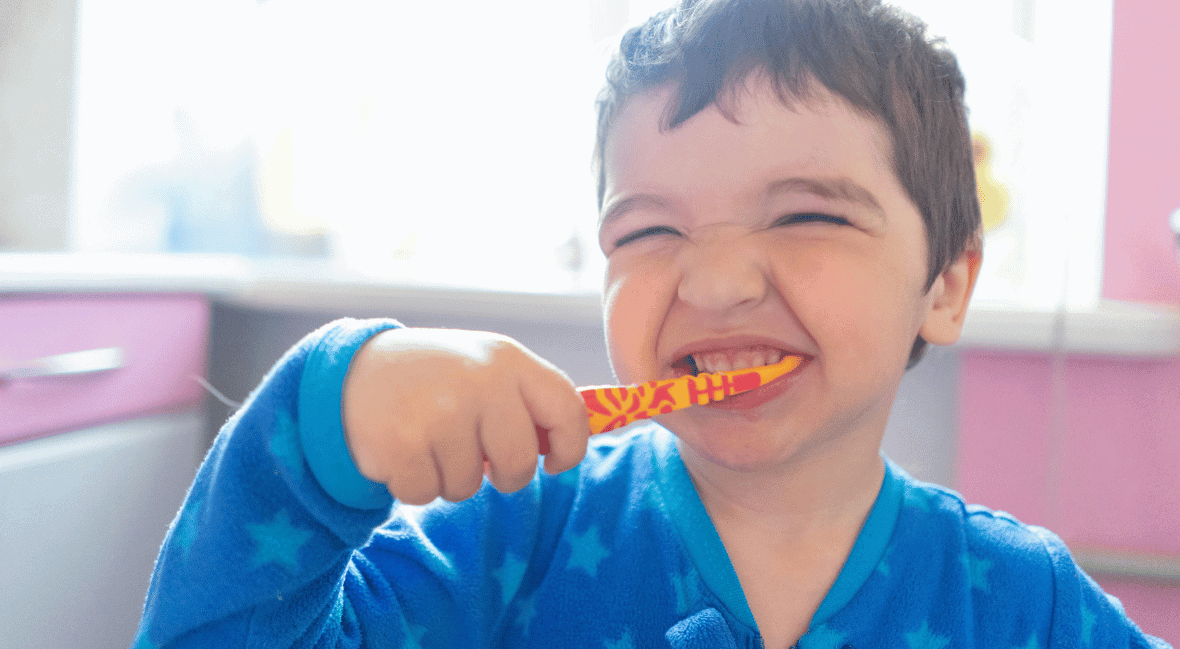
- Brushing their teeth before an adult checks or finishes
- Helping apply sunscreen
- Recognizing when they’re hungry, thirsty, hot, or cold
- Check out these fun dental coloring pages that teach kids about teeth and brushing!
• Eating and Drinking Skills
Mealtimes provide frequent, meaningful opportunities for kids to practice self-help skills. Use dishes and utensils that fit comfortably in their hands, and give kids manageable amounts of food and drinks.
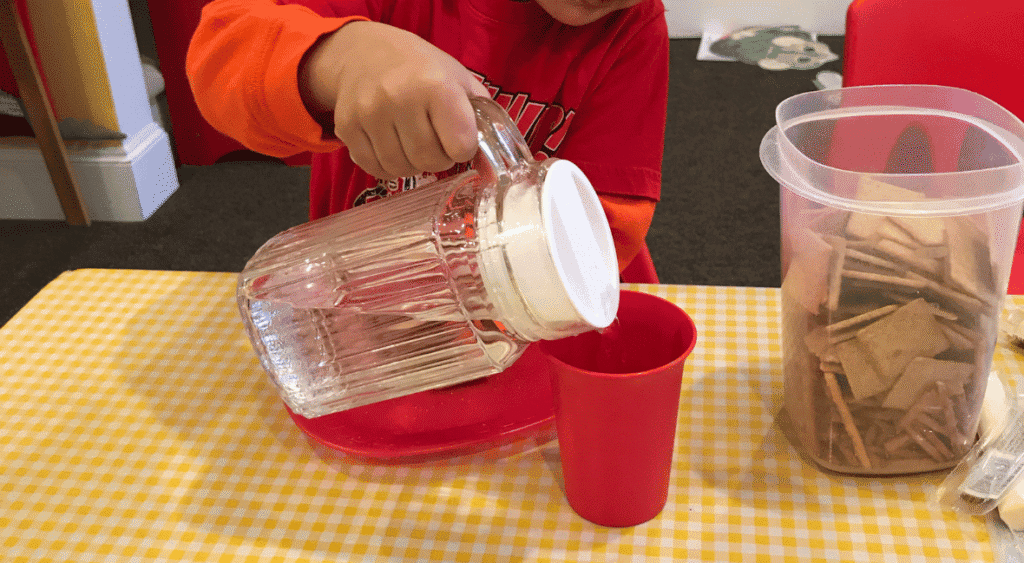
A small pitcher that’s only partially filled is much easier to control than a large, heavy container. Spills will happen, but spilling and cleaning up are both useful skills.
Eating and drinking self-help skills can include:
- Washing their hands before eating
- Carrying a plate or bowl to the table
- Using a spoon and fork
- Drinking from an open cup
- Pouring water from a small pitcher
- Serving themselves manageable portions
- Opening familiar food containers
- Peeling a banana or clementine
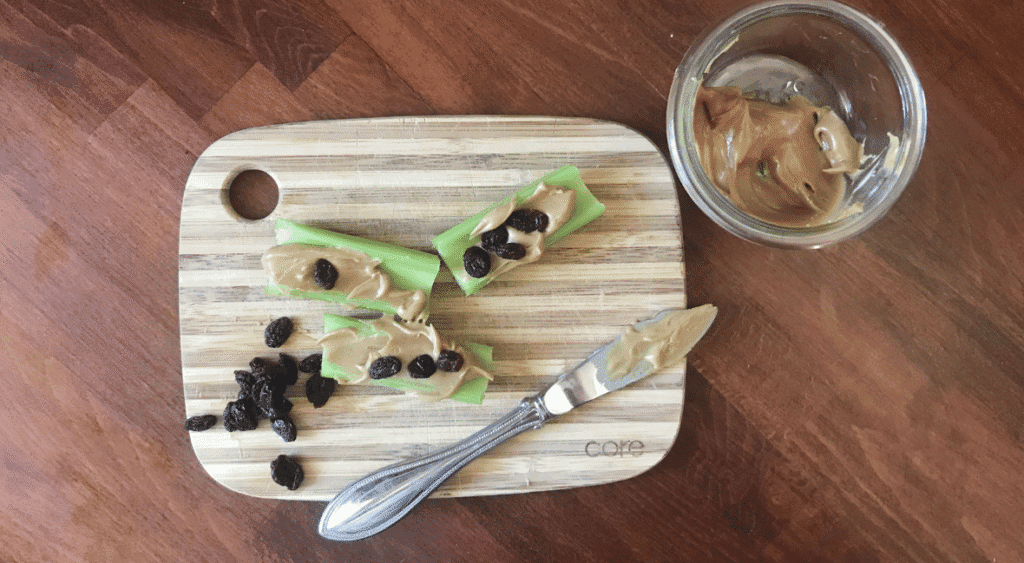
- Spreading soft foods with a child-safe knife
- Carrying dishes to the sink or dishwasher
- Scraping leftover food into the trash or compost
- Wiping their place at the table
- Cleaning up spills
• Food Preparation Skills
Preschoolers are often eager to participate in real cooking and food preparation! They may not be ready to make an entire meal independently, but they can be responsible for individual steps.
Choose jobs that fit your child’s abilities and provide close supervision when needed.
Food preparation skills can include:
- Washing fruits and vegetables
- Tearing lettuce
- Removing grapes from stems
- Scooping ingredients
- Pouring premeasured ingredients
- Stirring batter
- Mashing soft foods
- Spreading butter, cream cheese, or another soft topping
- Cutting soft foods with a child-safe knife
- Assembling a simple sandwich
- Placing toppings on pizza or toast
- Helping pack a snack or lunch
• Cleaning Skills
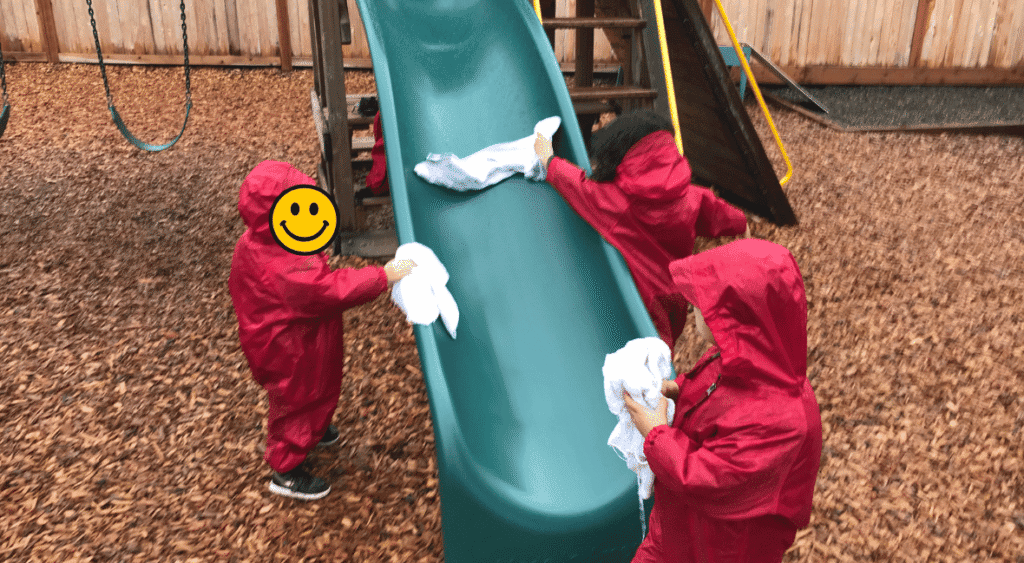
Spills and messes are a normal part of learning to do things independently. Instead of treating a spill as evidence that a child isn’t ready, show them where the cleaning supplies are and help them learn what to do next.
Child-sized tools can make cleaning easier, but they don’t need to be fancy. A washable cloth, a small spray bottle of water, a hand broom, and a lightweight basket are enough for many everyday jobs.
Cleaning self-help skills can include:
- Putting toys into labeled bins
- Returning books to a shelf
- Wiping the table
- Cleaning up spills
- Sweeping with a child-sized broom
- Using a hand broom and dustpan
- Throwing trash away
- Sorting recycling
- Putting craft supplies away
- Carrying lightweight items to the correct place
- Helping make a bed
- Putting bath toys away
• Laundry and Clothing Care Skills
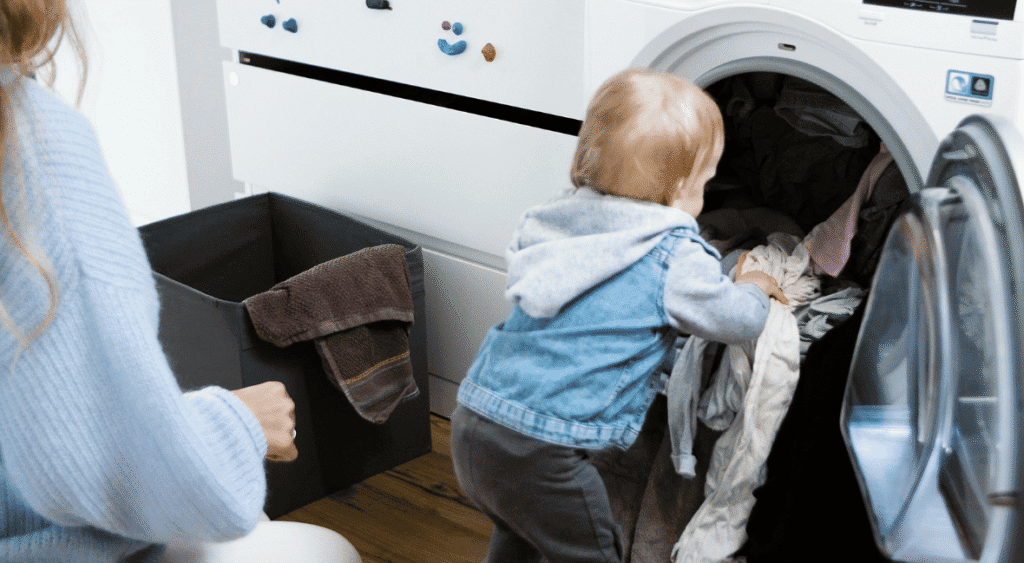
Laundry provides plenty of simple jobs preschoolers can do successfully. Kids can begin by sorting, matching, folding small items, and carrying lightweight clothing.
Keeping hampers, hooks, and clothing drawers within reach makes it much easier for kids to participate.
Laundry and clothing care skills can include:
- Carrying clothes to the hamper
- Sorting laundry by color or family member
- Matching socks
- Folding washcloths
- Carrying a small basket of laundry
- Putting clothing into low drawers
- Hanging a coat on a low hook
- Placing shoes in their designated spot
• Caring for Their Belongings
Learning to care for personal belongings helps preschoolers become more independent at home, preschool, and other activities.
Low hooks, open baskets, picture labels, and consistent storage spaces help kids know where their belongings go. It’s much easier for a child to put something away when the storage space is visible and within reach!
Caring for their belongings can include:
- Carrying their own backpack
- Packing a water bottle or snack
- Hanging up their coat
- Putting shoes away
- Returning toys to their proper places
- Keeping track of a favorite comfort item
- Putting art supplies away after using them
- Helping gather what they need before leaving home
- Unpacking their backpack at the end of the day
• Household Helper Skills
Preschoolers usually enjoy doing real work, particularly when their contribution is genuinely useful. Household responsibilities help kids see themselves as capable and important members of the family.
Their work may not look exactly like an adult’s work, but their participation matters more than perfection.
Household tasks may include:
- Watering plants
- Feeding a pet with supervision
- Filling a pet’s water bowl
- Putting groceries on low shelves
- Carrying napkins or utensils to the table
- Setting part of the table
- Helping clear the table
- Dusting low surfaces
- Matching lids with containers
- Sorting silverware
- Helping load safe items into the dishwasher
Let Kids Do as Much as They Can Themselves
Take a moment to think through your day and identify a few things your preschooler could do for themselves with a little time, practice, or support.
Walk through each room of your home and consider whether simple environmental changes, such as adding a step stool or moving supplies to a lower shelf, could make greater independence possible. Then, look through the lists above and choose one skill from each category that your preschooler could begin practicing.
This isn’t about rushing independence or expecting kids to do everything alone. Preschoolers will still have tired days, need help, and sometimes simply want to be cared for.
Instead, it’s about giving kids meaningful opportunities to discover their capabilities while reminding them, “I’m here when you need me, and I believe you can do hard things.”
Make Room for Mistakes and Imperfection
Remember: mistakes are wonderful opportunities for learning!
Independence can be messy. Water may splash around the sink. Socks may not match. Toys may end up in the wrong bins. The table may still have crumbs after a preschooler wipes it.
If we correct every tiny mistake, redo every task, or frequently say, “Let me do it,” kids may begin to believe they aren’t capable or that their contributions aren’t genuinely helpful.
That doesn’t mean adults can never offer guidance. We can demonstrate a skill, help kids notice what still needs to be done, or work alongside them. But preschoolers are beginners, and beginner-level work won’t look like adult-level work.
They’ll become more coordinated, careful, and efficient through experience.
Final Thoughts on Self-Help Skills for Preschoolers
The best way to encourage self-help skills for preschoolers is to give kids real opportunities to participate in everyday life. Take time to demonstrate new tasks, change the environment so kids can access what they need, provide plenty of opportunities to practice, and plan enough time for them to really do things themselves.
You don’t need an elaborate independence curriculum. Start with one or two routines that already happen every day. Add a stool by the sink, move the dishes to a lower shelf, or let your child take responsibility for carrying their backpack.
Preschoolers won’t master all these skills at once, and they don’t need to! Give them time, access, encouragement, and appropriate help. Preschoolers are capable of doing an incredible amount for themselves, and every sincere opportunity to contribute helps them learn, “I can do it.”
No Comments