
Every child is unique. Some love being outdoors, others enjoy creating things with their hands, while some are happiest when solving puzzles or learning new physical skills. Finding the right hobby isn’t about choosing the most popular activity like team sports; it’s about discovering something that aligns with your child’s interests, personality, and strengths.
The right hobby can become much more than a way to pass the time. It can improve confidence, encourage healthy habits, teach valuable life skills, and provide a sense of accomplishment that extends into school and everyday life.
If you’ve ever wondered how to help your child discover a hobby they’ll genuinely enjoy, this guide can help you get started.
In this post:
- Why Hobbies Matter During Childhood
- Start by Understanding Your Child
- Match the Hobby to Their Personality
- Don’t Be Afraid to Try Something New
- Let Your Child Help Make the Decision
- Consider Active Hobbies That Build Life Skills
- Avoid Common Mistakes
- Encourage Progress Instead of Perfection
- How to Know a Hobby Is the Right Fit
- Support Without Taking Over
- Be Open to Changing Interests
- Creating a Balanced Routine
Why Hobbies Matter During Childhood
Children learn best when they’re engaged in activities they enjoy.
Hobbies encourage curiosity, creativity, and persistence while giving children opportunities to explore their talents outside the classroom.
Unlike mandatory schoolwork, hobbies allow kids to learn at their own pace, making the experience enjoyable rather than stressful.
Some long-term benefits include:
- Improved confidence
- Better communication skills
- Increased physical activity
- Stronger problem-solving abilities
- Greater independence
- Healthy stress relief
- Opportunities to make new friends
The earlier children discover interests they enjoy, the more likely they are to continue those activities as they grow.
According to the Physical Activity Guidelines for Americans, 2nd Edition, published by the U.S. Department of Health and Human Services, children and adolescents aged 6–17 years should get at least 60 minutes of moderate-to-vigorous physical activity every day.
This recommendation highlights the importance of encouraging active hobbies that make movement enjoyable rather than something children feel obligated to do.
Start by Understanding Your Child
Instead of choosing a hobby based on trends or what friends are doing, spend time observing your child.
Ask questions like:
- What activities do they naturally enjoy?
- Do they prefer being indoors or outdoors?
- Are they creative, athletic, or analytical?
- Do they enjoy working independently or with others?
- What topics do they get excited about?
These simple observations can reveal hobbies that naturally fit their personality.
Match the Hobby to Their Personality
Every child approaches new experiences differently.
For Energetic Kids
Children with lots of energy often enjoy activities that keep them moving.
Good options include:
- Swimming
- Cycling
- Martial arts
- Dance
- Rock climbing
- Gymnastics
These activities provide healthy outlets for physical energy while teaching discipline and coordination.
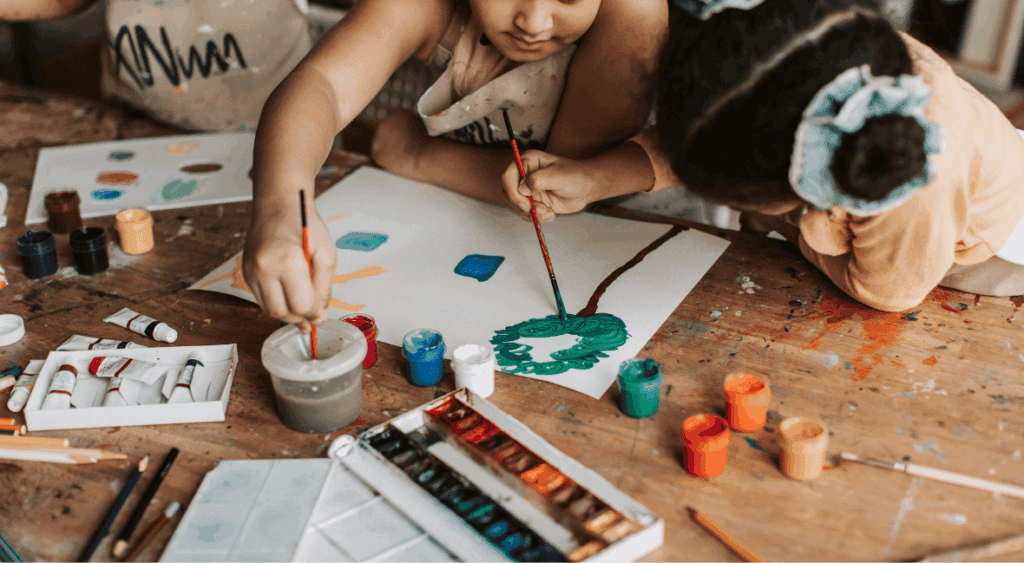
For Creative Kids
Children who love expressing themselves may enjoy:
- Painting
- Photography
- Music
- Drama
- Craft projects
- Creative writing
Creative hobbies encourage imagination while building patience and focus.
For Independent Learners
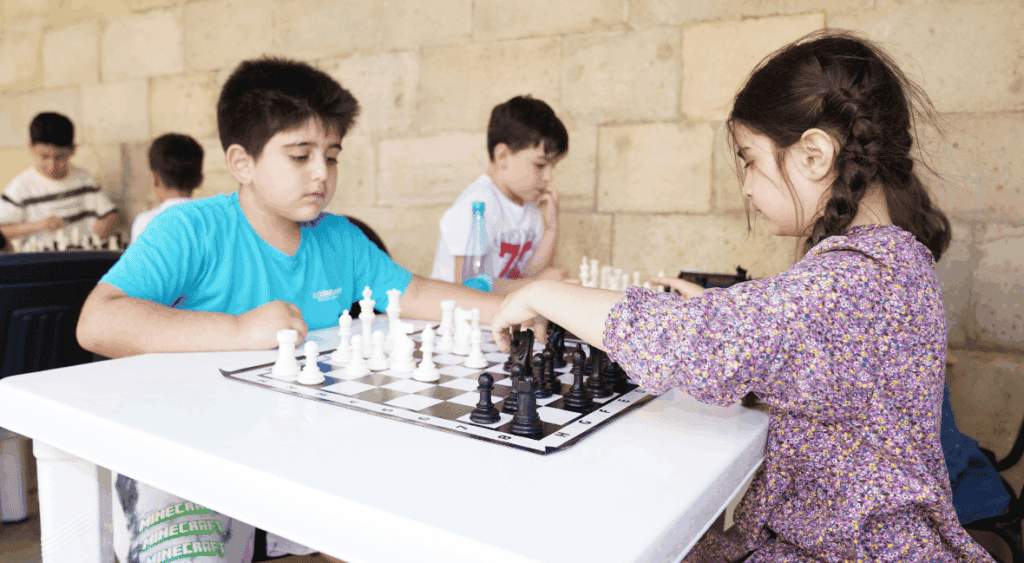
Some children enjoy mastering skills at their own pace.
They may enjoy:
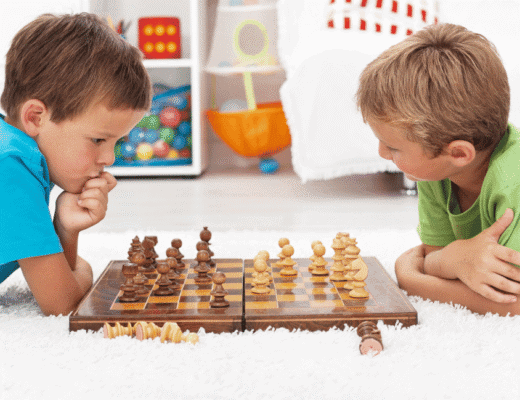
- Chess
- Coding
- Gardening
- Bird watching
- Archery
- Model building
These hobbies reward persistence and self-motivation.
Don’t Be Afraid to Try Something New
Children often discover their favorite hobbies by accident. A single workshop, community event, or introductory class can spark an interest that lasts for years.
Rather than expecting your child to commit immediately, allow them to experiment with different activities. Think of the first few sessions as opportunities to explore rather than auditions for long-term success.
Let Your Child Help Make the Decision
Parents often have the best intentions, but choosing a hobby for a child rarely works as well as choosing one with them.
Give your child a voice by discussing:
- Activities they’ve always wanted to try
- Friends whose hobbies seem interesting
- Local clubs and community programs
- What excites them most
When children participate in the decision-making process, they’re often more motivated to continue.
Consider Active Hobbies That Build Life Skills
Active hobbies do much more than improve fitness. They teach resilience, patience, and confidence.
Examples include:
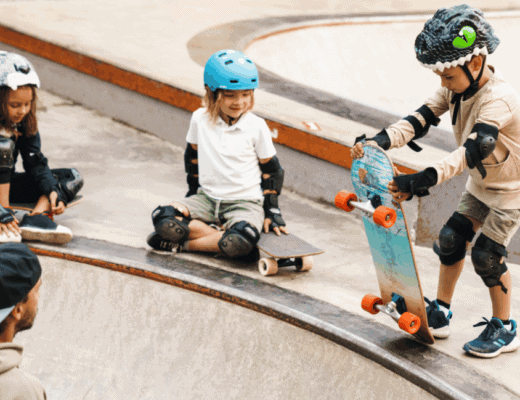
• Skateboarding
Learning balance and coordination takes time, but every small improvement feels rewarding.
Many parents choose beginner skate lessons because professional instruction helps children develop skills safely while building confidence through steady progress.
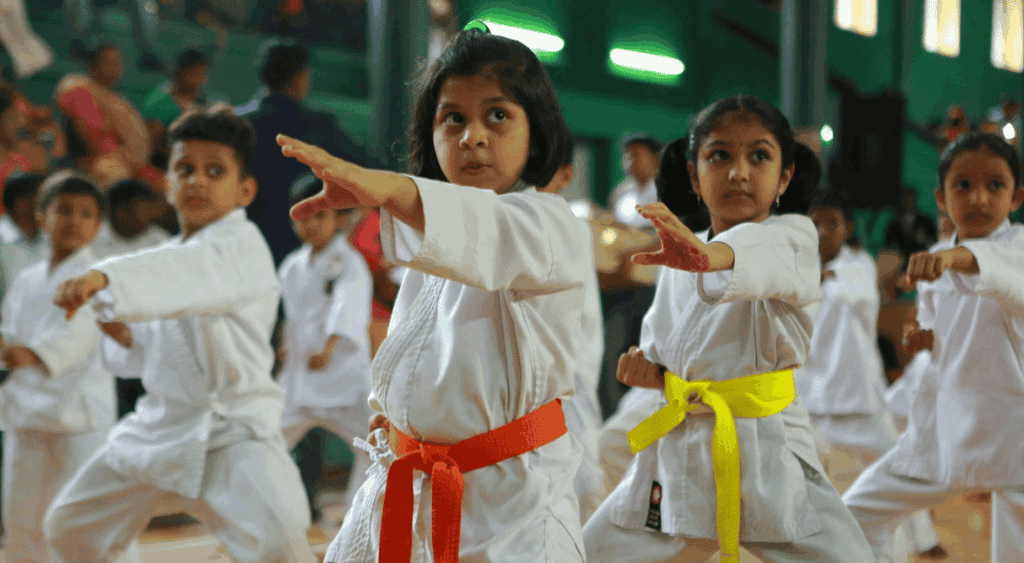
• Martial Arts
These classes teach:
- Respect
- Discipline
- Self-control
- Goal setting
Progress is measured by belt levels, providing children with achievable milestones.
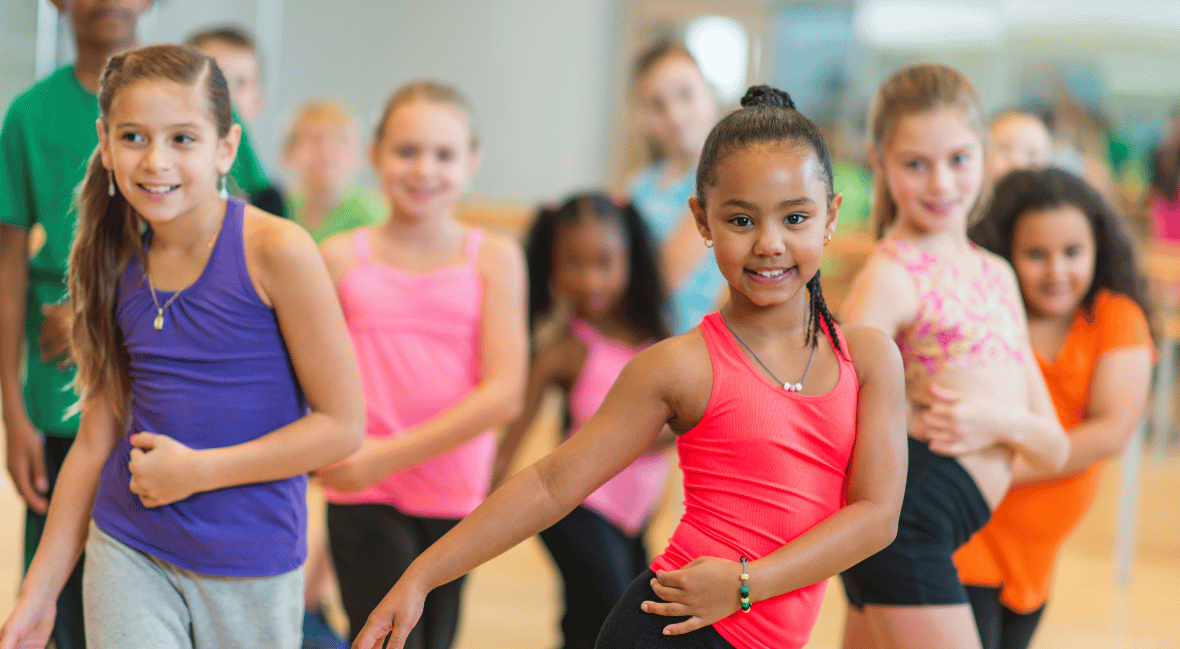
• Dance
Dance combines creativity with exercise while improving:
- Flexibility
- Rhythm
- Confidence
- Coordination
• Rock Climbing
Climbing teaches problem-solving alongside physical strength.
Children learn that persistence often matters more than natural ability.
Expert Insight
“Children are not things to be molded, but are people to be unfolded.”
— Jess Lair, educator and author
This quote reminds parents that hobbies should help children discover who they already are rather than become someone else.
Avoid Common Mistakes
Finding the right hobby isn’t just about choosing an activity. It’s also about creating the right environment.
Avoid these common mistakes:
- Pushing children into activities they dislike.
- Comparing siblings.
- Expecting immediate success.
- Overloading weekly schedules.
- Focusing only on competition.
- Giving up after one difficult session.
Remember that every new hobby comes with a learning curve.
Encourage Progress Instead of Perfection
Children stay motivated when they notice improvement.
Celebrate milestones like:
- Completing a first lesson
- Learning a new skill
- Practicing consistently
- Trying again after mistakes
Praise effort rather than talent. This encourages a growth mindset that benefits children far beyond their hobbies.
“Success is the sum of small efforts, repeated day in and day out.”
This idea applies perfectly to hobbies. Confidence grows through consistent practice, not overnight success.
How to Know a Hobby Is the Right Fit
Not every hobby becomes a lifelong passion, and that’s okay.
Signs you’ve found a good match include:
- Your child talks about the activity at home.
- They look forward to attending sessions.
- They practice without constant reminders.
- They ask questions and want to improve.
- They feel proud of their progress.
These are strong indicators that genuine interest is developing.
Support Without Taking Over
Parents play an important role, but support should feel encouraging rather than controlling.
Helpful ways to stay involved include:
- Attend performances or competitions.
- Ask about what they learned.
- Celebrate progress.
- Provide opportunities to practice.
- Keep expectations realistic.
Sometimes, simply showing interest is more valuable than offering advice.
Be Open to Changing Interests
Children grow quickly. The hobby they love at age seven may not be the one they enjoy at twelve.
Allow interests to evolve naturally. Trying different activities helps children discover new talents and keeps learning exciting.
Creating a Balanced Routine
A well-balanced schedule helps children enjoy hobbies without feeling overwhelmed.
Aim to leave enough time for:
- Schoolwork
- Family time
- Free play
- Rest
- Hobbies
Helping your child find the perfect hobby isn’t about picking the activity with the most trophies or the biggest social following. It’s about discovering something that makes them excited to learn, practice, and grow.
Whether it’s painting, swimming, martial arts, dance, gardening, or skateboarding, the best hobby reflects your child’s interests and encourages them to develop new skills at their own pace.
Stay patient, encourage exploration, and celebrate progress instead of perfection. With the right support, a simple hobby can become a lifelong source of confidence, friendship, creativity, and joy.
Remember that it’s perfectly normal for children to try several hobbies before finding one they truly love. Every new experience teaches valuable lessons, even if it doesn’t become a long-term passion.
The goal isn’t to fill every free hour with scheduled activities but to help your child discover something that sparks curiosity and brings genuine happiness. By providing encouragement, celebrating effort, and allowing room for exploration, you’ll help your child build confidence, resilience, and a lifelong love of learning, qualities that will benefit them well beyond childhood.

No Comments