
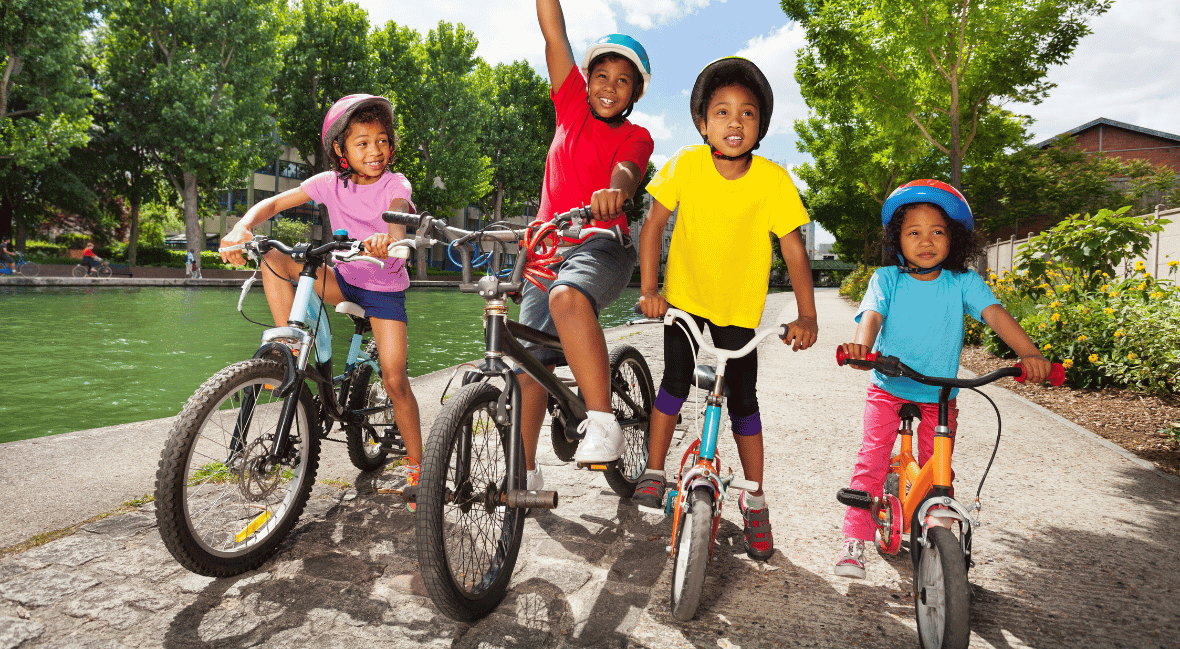
In today’s digital age, encouraging children to spend time outdoors is more important than ever. While technology offers countless opportunities for learning and entertainment, outdoor experiences provide something equally valuable: real-world challenges that help children develop confidence, resilience, and independence.
Whether it’s climbing a tree, riding a bicycle, exploring a hiking trail, tending a garden, or trying a new outdoor hobby, every adventure teaches children valuable life lessons. These moments help them build physical strength, improve problem-solving skills, and develop the confidence to tackle new challenges.
Unlike structured classroom environments, outdoor activities encourage curiosity and exploration. There are no perfect answers or strict rules, just opportunities to learn through experience. As children navigate different environments and overcome obstacles, they discover what they’re capable of achieving.
Why Outdoor Experiences Matter
Outdoor environments naturally encourage children to explore, experiment, and think creatively.
Instead of following step-by-step instructions, children make decisions on their own, solve unexpected problems, and adapt to changing situations. Whether they’re figuring out the safest way across a stream or balancing on a fallen log, every outdoor challenge strengthens their confidence.
Regular outdoor experiences also support healthy emotional development by helping children become more comfortable with uncertainty and change.
Benefits include:
- Increased self-confidence
- Better problem-solving skills
- Improved resilience
- Stronger physical coordination
- Greater independence
- Enhanced creativity
- Improved communication skills
- Better emotional well-being
Rather than striving for perfection, children learn that mistakes are simply part of the learning process.
Research summarized by the Children & Nature Network shows that spending time in nature is associated with better emotional well-being, improved attention, lower stress levels, increased physical activity, and stronger resilience in children. These findings demonstrate that regular outdoor experiences play an important role in healthy childhood development.
Even simple outdoor activities like visiting a neighborhood park, exploring local trails, or playing in the backyard can provide meaningful developmental benefits.
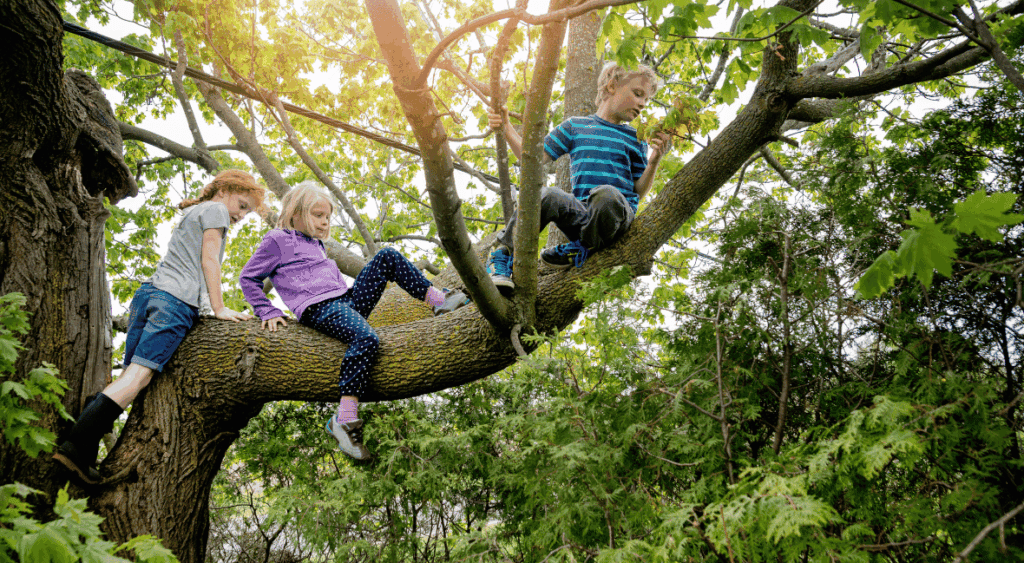
Confidence Grows Through Outdoor Challenges
Children develop confidence by overcoming challenges, not by avoiding them.
Outdoor activities naturally provide opportunities to face obstacles that are exciting, achievable, and rewarding.
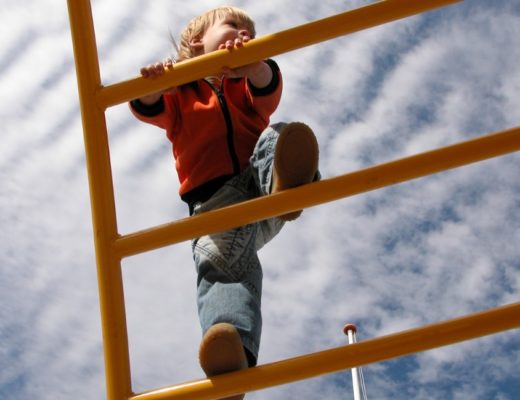
Learning to ride a bicycle, hiking to the top of a hill, climbing a playground structure, or navigating a nature trail all require persistence.
Every success, however small, reinforces an important lesson: “I can do hard things if I keep trying.”
This mindset often carries over into school, friendships, and future goals.
Nature Encourages Healthy Risk-Taking
Healthy risk-taking is an essential part of childhood.
Outdoor play allows children to test their abilities in safe, supervised environments while learning to make thoughtful decisions.
Examples include:
- Climbing playground equipment
- Crossing small streams
- Riding over uneven paths
- Building forts
- Exploring unfamiliar parks
- Learning balance-based activities
Each challenge teaches children to assess situations, make decisions, and trust themselves. Over time, they become more comfortable stepping outside their comfort zones.
“Time in nature is not leisure time; it’s an essential investment in our children’s health.”
— Richard Louv, author of Last Child in the Woods
Richard Louv’s research has inspired educators and parents around the world to rethink the role of nature in childhood. His work emphasizes that regular outdoor experiences support children’s physical health, emotional well-being, creativity, and confidence.
Outdoor Play Helps Build Resilience
Resilience is the ability to recover after setbacks. Children rarely build resilience by succeeding every time. Instead, they develop it through trial and error.
Outdoor activities naturally create situations where children learn to:
- Try again after falling.
- Solve unexpected problems.
- Adapt to changing conditions.
- Stay patient while learning new skills.
- Celebrate progress instead of perfection.
These experiences teach children that setbacks are temporary rather than permanent failures.
As resilience grows, children become more willing to embrace new experiences and less afraid of making mistakes.
Outdoor Activities That Build Confidence
Every child enjoys different activities.
Providing opportunities to explore several outdoor hobbies increases the likelihood they’ll discover something they genuinely love.
• Hiking
Hiking encourages children to:
- Set goals
- Build endurance
- Appreciate nature
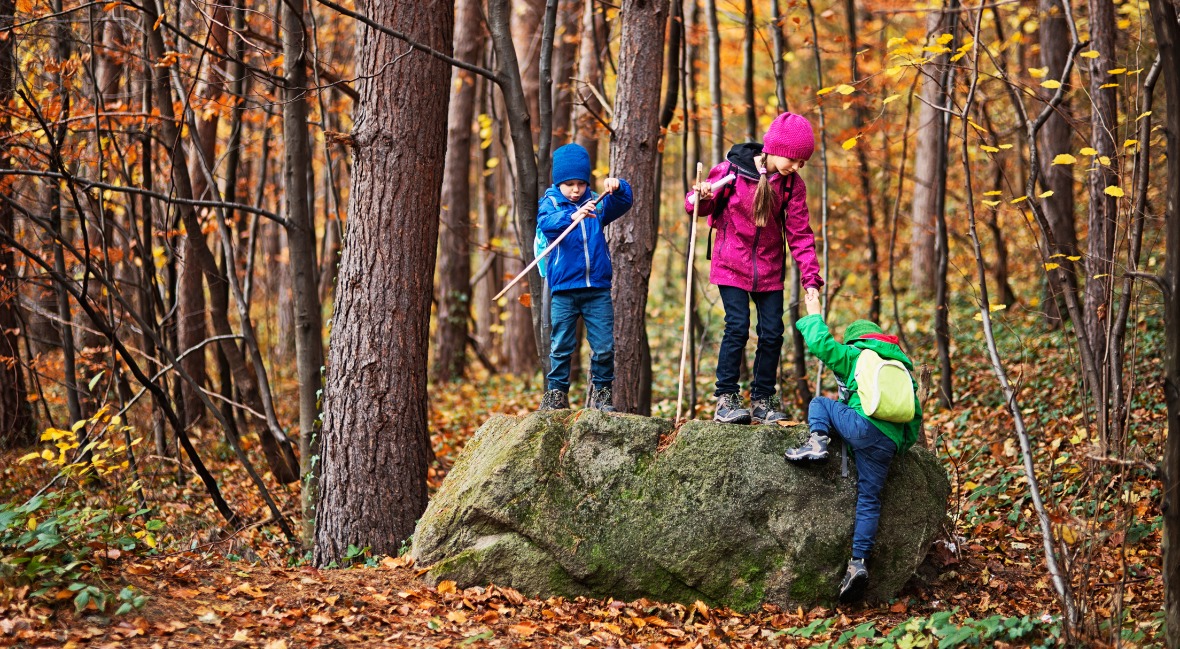
- Solve small challenges along the way
Completing a trail creates a strong sense of accomplishment.
• Cycling
Cycling develops:
- Balance
- Coordination
- Independence
- Road awareness
- Physical fitness
Family bike rides also create valuable opportunities for bonding.
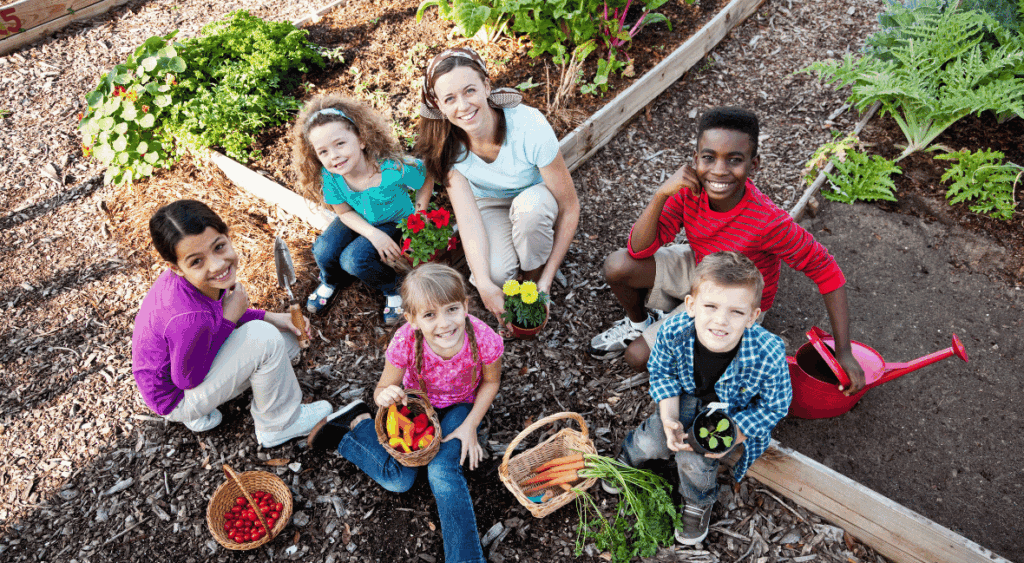
• Gardening
Gardening teaches responsibility while encouraging patience. Children learn how consistent care leads to visible progress as plants grow over time.
• Rock Climbing
Rock climbing challenges children both physically and mentally.
It strengthens:
- Problem-solving skills
- Coordination
- Confidence
- Perseverance
Every completed climb reminds children that persistence leads to success.
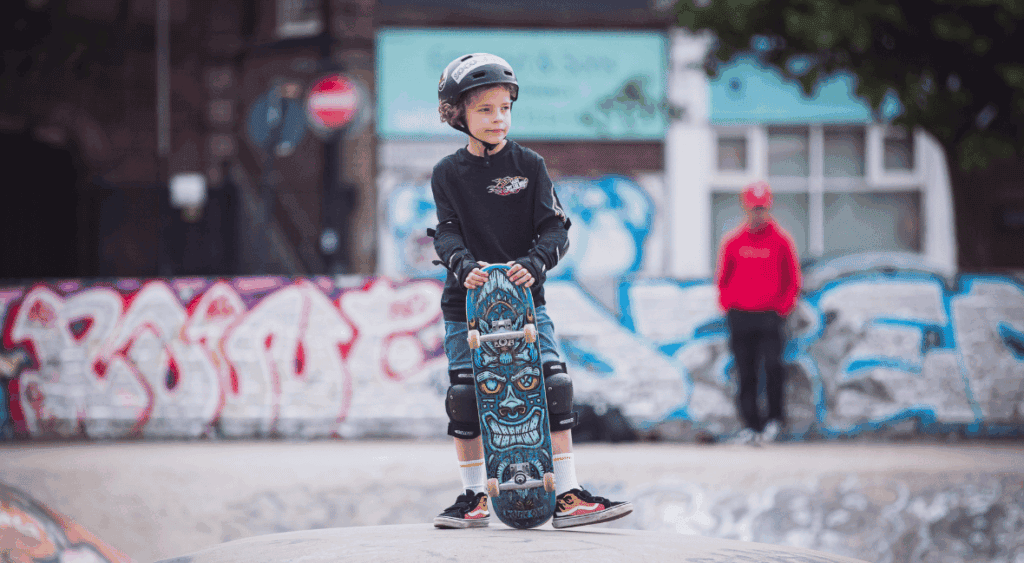
• Skateboarding
Skateboarding teaches patience, determination, and resilience.
Children quickly learn that mastering new skills takes practice and consistency rather than perfection.
Many families also explore local skate programs, where beginners receive structured instruction in a supportive environment. Learning alongside peers often boosts confidence while making the experience more enjoyable.
The Social Benefits of Outdoor Experiences
While outdoor activities often strengthen physical health, they also help children develop important social skills.
Many outdoor adventures naturally encourage teamwork, communication, and empathy.
Whether children are exploring a nature trail with friends, joining a cycling group, or participating in local skate programs, they learn how to interact positively with others while working toward shared goals.
Outdoor activities help children:
- Communicate effectively
- Cooperate with others
- Resolve disagreements respectfully
- Encourage teammates and friends
- Develop leadership skills
- Build meaningful friendships
Unlike highly competitive environments, many outdoor hobbies focus on personal improvement while still fostering a strong sense of community.
Children also gain confidence by supporting one another, celebrating progress together, and learning that everyone develops skills at their own pace.
Encourage Curiosity Instead of Competition
One of the greatest advantages of outdoor experiences is that success isn’t always measured by winning. Instead, children learn to appreciate the journey.
For example:
- Reaching the end of a hiking trail
- Spotting wildlife during a nature walk
- Growing vegetables in a garden
- Learning to balance on a skateboard
- Climbing a little higher than last time
Each accomplishment helps children build confidence through personal growth rather than comparison.
This mindset often reduces anxiety while encouraging children to continue trying new experiences.
“There must be provision for the child to have contact with nature; to understand and appreciate the order, the harmony, and the beauty in nature.”
— Dr. Maria Montessori, physician, educator, and founder of the Montessori method
Dr. Montessori believed that direct interaction with the natural world plays an essential role in helping children become independent, curious, and confident learners. Outdoor exploration gives children opportunities to observe, ask questions, and learn through real-life experiences rather than simply reading about them.
How Parents Can Encourage Outdoor Exploration
Parents don’t need elaborate plans or expensive equipment to help children benefit from the outdoors. Simple routines often have the greatest impact.
Ideas include:
- Visit a different local park each month.
- Plan weekend nature walks.
- Ride bikes together after school.
- Explore nearby hiking trails.
- Plant a small vegetable or flower garden.
- Organize backyard scavenger hunts.
- Encourage outdoor free play before screen time.
Giving children choices also increases enthusiasm. Ask them where they’d like to explore or which outdoor activity they’d like to try next. When children feel involved in planning, they’re more likely to stay engaged.
Let Children Solve Problems Independently
Parents naturally want to help whenever their child struggles. However, constantly stepping in can prevent children from developing resilience.
Instead, try asking questions like:
- “What do you think you could try next?”
- “Is there another way to solve this?”
- “What worked the last time?”
These gentle prompts encourage independent thinking while showing children that challenges are opportunities to learn.
As children solve problems on their own, their confidence continues to grow.
Balancing Safety with Independence
Outdoor adventures should be exciting without becoming unsafe.
Parents can support healthy exploration by:
- Choosing age-appropriate activities.
- Providing proper safety equipment.
- Teaching basic outdoor safety rules.
- Supervising without controlling every decision.
- Gradually increasing responsibility as children gain experience.
This balance allows children to develop confidence while knowing they have support when needed.
Creating Outdoor Habits That Last
Building confidence isn’t about one memorable camping trip or weekend hike. It’s about creating consistent opportunities for outdoor exploration.
Families can establish simple traditions such as:
- Evening walks after dinner.
- Weekend adventures in local parks.
- Seasonal hikes.
- Community clean-up events.
- Family cycling days.
- Outdoor picnics.
These routines help children associate outdoor activities with fun, relaxation, and personal growth. Over time, they become habits that children often carry into adulthood.
Signs Outdoor Experiences Are Building Confidence
Parents may notice gradual but meaningful changes as children spend more time outdoors.
Common signs include:
- Greater willingness to try unfamiliar activities.
- Increased independence.
- Better problem-solving abilities.
- Improved emotional regulation.
- More persistence after setbacks.
- Greater enthusiasm for physical activity.
- Stronger social connections.
- Increased curiosity about the world around them.
These qualities often extend into school, friendships, and future career success.
Helping Children Disconnect from Screens
Outdoor experiences also provide a healthy balance to screen time. Instead of passive entertainment, children actively engage with their surroundings.
They move, observe, create, imagine, and interact.
This not only benefits physical health but also encourages mindfulness and stronger family relationships. Parents can support this transition by setting aside regular “screen-free” outdoor time each week.
Even an hour spent outside can make a meaningful difference.
Outdoor experiences offer children much more than opportunities to stay active—they provide real-life lessons that help shape confident, resilient, and independent individuals. Every hike completed, tree climbed, bike ride mastered, or afternoon spent exploring nature gives children the chance to overcome challenges, make decisions, and discover their own abilities.
Parents don’t need to organize expensive adventures to create these benefits. Consistent opportunities to play outside, visit local parks, explore nearby trails, or try new outdoor hobbies can have a lasting impact on a child’s development. What matters most is creating an environment where children feel safe exploring, making mistakes, and learning from their experiences.
As children spend more time outdoors, they begin to understand that confidence isn’t something they’re born with. It’s something they build through effort, persistence, and curiosity. Every new adventure teaches them that setbacks are temporary, problems have solutions, and growth happens one step at a time.
By encouraging outdoor exploration throughout childhood, parents aren’t simply helping their children stay physically active. They’re nurturing resilience, independence, creativity, leadership, and a lifelong appreciation for learning through experience.
Those qualities will continue to benefit children long after they’ve outgrown playgrounds and hiking trails, preparing them to approach future challenges with courage, confidence, and optimism.


No Comments