
Not every child enjoys being part of a team. While soccer, basketball, baseball, and other organized sports are excellent options for many children, they’re not the only way to stay active or build important life skills.
Some kids thrive when they can move at their own pace, explore their own interests, and develop abilities without the pressure of competition. Active hobbies provide exactly that opportunity. They encourage physical movement while helping children become more confident, independent, and resilient.
The best part? These hobbies can grow alongside your child, giving them challenges they can overcome one step at a time.
In this post:
- Why Confidence Matters More Than Winning
- The Growing Importance of Physical Activity
- Skateboarding
- Martial Arts
- Rock Climbing
- Dance
- Archery
- Swimming
- Cycling
- Gymnastics
- How Parents Can Support Confidence Without Pressure
- Choosing the Right Hobby
- Helping Kids Stay Motivated
Why Confidence Matters More Than Winning
Confidence isn’t built overnight.
It develops through small achievements, repeated practice, and learning how to overcome setbacks. Children who believe in their abilities are often more willing to try new experiences, solve problems independently, and bounce back after mistakes.
According to the American Psychological Association, children who develop self-confidence are more likely to demonstrate resilience, better emotional regulation, and healthier social relationships.
Rather than focusing solely on winning games, active hobbies encourage personal progress, something every child can celebrate.
The Growing Importance of Physical Activity
Today’s children spend more time indoors than ever before.
Between schoolwork, streaming services, and digital entertainment, finding enjoyable ways to stay active has become increasingly important.
According to the World Health Organization (WHO), 81% of adolescents aged 11–17 years worldwide are insufficiently physically active, putting them at greater risk for future health problems.
This highlights why introducing enjoyable hobbies—not just organized sports—can make a significant difference.
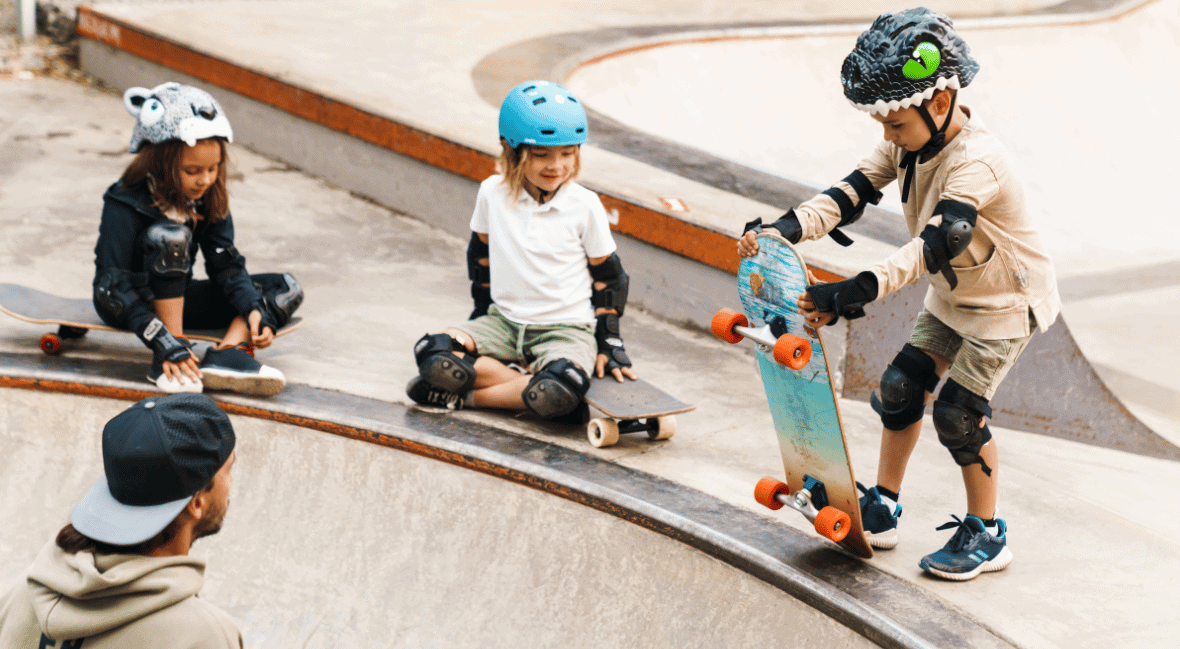
1. Skateboarding Encourages Independence
Skateboarding is often viewed as an individual activity, but that’s exactly what many children enjoy. Every new trick or improved balance becomes a personal milestone.
Unlike structured team sports, progress depends on persistence rather than comparisons with teammates.
As children learn to skateboard, they naturally discover that falling isn’t failure—it’s part of learning.
Benefits include:
- Better balance
- Improved coordination
- Greater patience
- Increased perseverance
- Higher self-confidence
Each successful ride or new skill reinforces the idea that consistent practice leads to improvement.
Expert Insight
“Play gives children a chance to practice what they are learning.”
— Fred Rogers, educator and television host
This simple idea explains why active hobbies are so valuable. Children gain confidence through doing, experimenting, and trying again.
2. Martial Arts Teach Self-Control
Karate, taekwondo, judo, and similar disciplines emphasize respect just as much as physical ability.
Children work through clearly defined skill levels, earning new belts through dedication rather than comparison.
Along the way, they develop:
- Self-discipline
- Focus
- Respect
- Emotional control
- Confidence under pressure
Many parents notice improvements not only during training but also in school and daily routines.
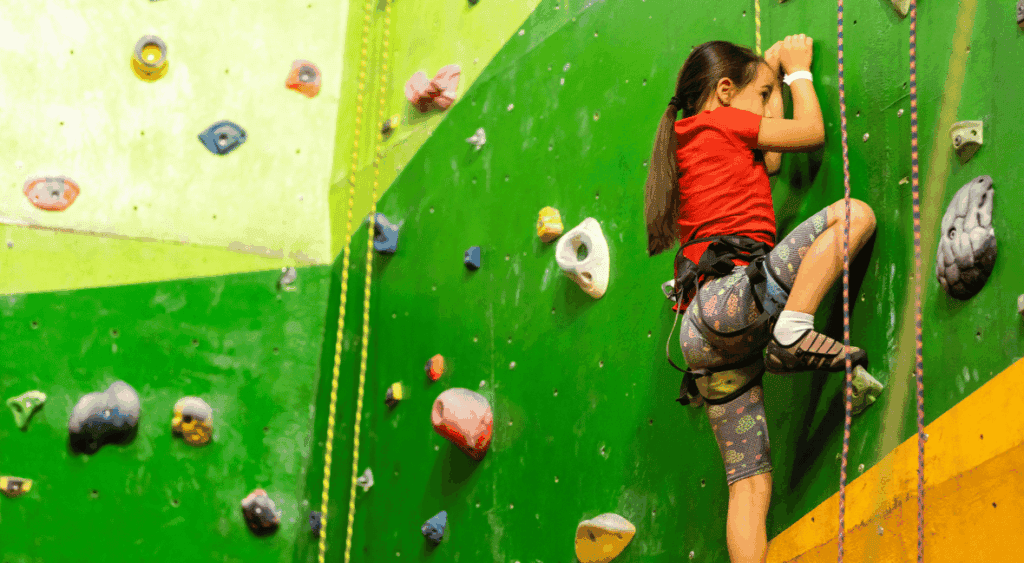
3. Rock Climbing Builds Problem-Solving Skills
Every climbing wall presents a puzzle.
Children learn to think before acting, adjust their approach, and keep trying until they reach the top.
Climbing also teaches trust—in equipment, instructors, and themselves.
The sense of accomplishment after completing a difficult route often becomes one of the strongest confidence boosters available.
4. Dance Combines Creativity and Fitness
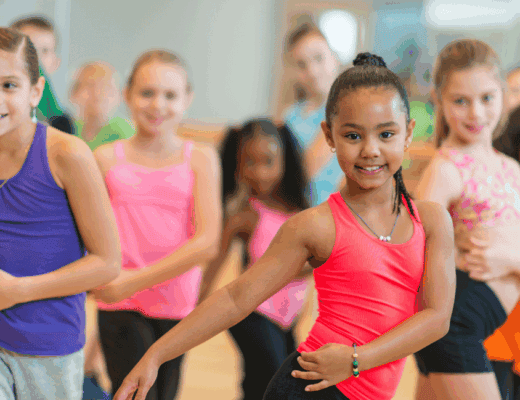
Dance allows children to express themselves while staying physically active.
Whether it’s hip-hop, ballet, jazz, or contemporary styles, dance encourages:
- Body awareness
- Rhythm
- Memory
- Flexibility
- Self-expression
Unlike traditional sports, there are many opportunities for individual creativity.
Children gradually become more comfortable performing in front of others, strengthening confidence both on and off the stage.
The 2024 National Survey of Children’s Health found that approximately 54.1% of U.S. children ages 6–17 participated in sports teams or sports lessons during the previous 12 months, highlighting that a substantial number of children are engaged in organized physical activities while many still seek alternative ways to stay active.
This suggests there’s room to introduce additional active hobbies that appeal to children who may not connect with traditional team sports.
5. Archery Rewards Patience
Archery isn’t about speed. It’s about consistency.
Children learn to control their breathing, improve concentration, and stay calm under pressure.
Over time, they gain confidence by seeing measurable improvements in accuracy rather than relying on natural athletic ability.
Skills developed include:
- Focus
- Precision
- Patience
- Mental discipline
6. Swimming Builds Quiet Confidence
Swimming is both a life skill and a confidence-building activity.
Every milestone—from floating independently to completing full laps—helps children realize they can master difficult challenges.
Swimming also encourages:
- Physical endurance
- Goal setting
- Water safety
- Independence
Because progress is highly visible, children often stay motivated to continue improving.
7. Cycling Encourages Exploration
Learning to ride a bicycle represents freedom for many children. Once they gain confidence riding safely, cycling becomes a hobby they can enjoy for years.
It also promotes:
- Balance
- Cardiovascular fitness
- Outdoor exploration
- Decision-making
Family bike rides create opportunities for shared experiences without the pressure of competition.
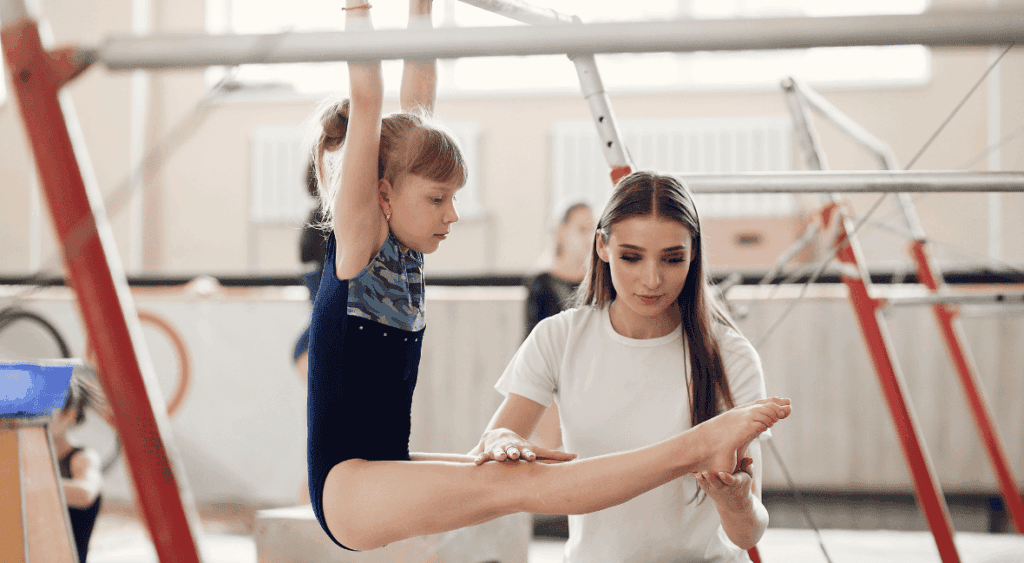
8. Gymnastics Improves Body Awareness
Gymnastics helps children understand what their bodies are capable of doing.
Skills are learned progressively, making success feel achievable.
Children build:
- Flexibility
- Strength
- Coordination
- Determination
Small improvements quickly become major confidence boosters.
Expert Insight
“Children learn as they play. Most importantly, in play children learn how to learn.”
— O. Fred Donaldson, play researcher and author
This reminds parents that active hobbies offer much more than exercise—they teach lifelong learning skills.
How Parents Can Support Confidence Without Pressure
Parents play an important role in shaping how children view success. Instead of focusing only on results, try celebrating effort and persistence.
Helpful approaches include:
- Praise consistency rather than talent.
- Let children choose activities they genuinely enjoy.
- Avoid comparing siblings or teammates.
- Celebrate small improvements.
- Encourage trying again after setbacks.
- Make activity part of family life.
Confidence grows fastest when children feel supported rather than judged.
Choosing the Right Hobby
Every child is different.
Some enjoy structured instruction. Others prefer freedom and creativity.
When exploring new hobbies, consider:
• Personality
- Independent children may enjoy skateboarding or climbing.
- Social children may enjoy dance or martial arts.
• Energy Level
High-energy kids often enjoy:
- Cycling
- Swimming
- Gymnastics
Calmer children may prefer:
- Archery
- Martial arts
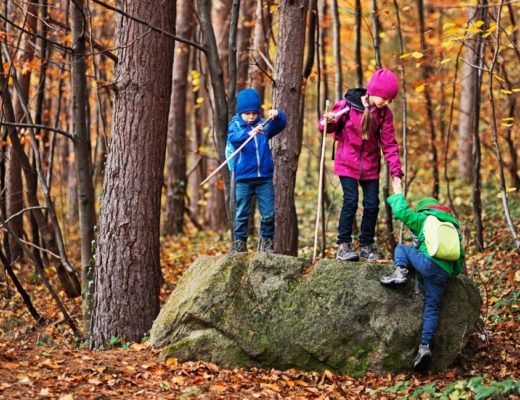
- Nature hiking
• Long-Term Interest
Choose activities that children can continue enjoying as they grow older.
Lifelong hobbies often provide the greatest confidence because skills continue improving over many years.
Helping Kids Stay Motivated
Confidence grows through consistency.
Parents can help maintain enthusiasm by:
- Setting realistic goals.
- Tracking progress instead of perfection.
- Trying new challenges occasionally.
- Allowing children to take ownership of their learning.
- Celebrating milestones together.
For example, a child who decides to learn to skateboard may spend weeks simply practicing balance before attempting tricks. Recognizing those early achievements helps maintain motivation and reinforces the value of persistence.
Team sports remain an excellent choice for many children, but they’re far from the only path to confidence.
Active hobbies give children opportunities to discover their strengths, overcome challenges, and enjoy movement in ways that suit their personalities. Whether they’re climbing a wall, dancing to their favorite music, practicing martial arts, swimming laps, or learning a new skill on a skateboard, each experience contributes to greater self-belief.
The ultimate goal isn’t to raise the fastest athlete or the strongest competitor—it’s to help children become confident individuals who aren’t afraid to try, fail, learn, and grow.
By encouraging activities that match their interests and celebrating progress over perfection, parents can help build confidence that lasts well beyond childhood.

No Comments