
Fall books for kids are one of the easiest ways to bring the season into your home—without needing to plan anything complicated.
Fall just invites you to slow down. The leaves change color, routines settle in, and suddenly reading together feels like the thing to do at the end of the day.
And if you’ve read enough kids’ books, you know this: Some get read once… and some get read every single day for weeks.
These are the ones that stick, and I’m here to share the best of them. I’ve divided the list into board books and picture books so you can find exactly what you’re looking for.
- Check out all the best Thanksgiving books for more fall reads!
In this post:
- Fall Board Books for Kids
- Fall Picture Books for Kids
- How to Use Fall Books to Explore the Season
- Tips for Choosing Fall Books for Kids
We get commissions for purchases made through links in this post. As an Amazon Associate, we earn from qualifying purchases.
Fall Board Books for Kids
These are simple, sturdy, and perfect for little ones who want to turn pages fast, repeat the same book 10 times, and carry it around all day.
1. You’re My Little Pumpkin Pie by Nicola Edwards

This is one of those books that feels like a cozy moment in book form.
It’s super rhythmic and repetitive, which makes it really easy for babies and toddlers to latch onto—and after a few reads, they start anticipating what’s coming next. The illustrations are warm and soft, and the whole thing just feels like fall.
This is one I naturally reach for at bedtime because it settles kids down without being boring. It’s short (which matters), but still feels meaningful.
2. Pumpkin Day, Pumpkin Night by Anne Rockwell

This book does a really nice job of walking kids through the full pumpkin experience—from going to the patch all the way to carving and lighting it at night.
What I like most is how grounded it feels. There’s nothing flashy about it, which is exactly why it works so well for toddlers. It mirrors real life in a way kids recognize, so when you go do these things in real life, they make that connection immediately.
It’s one of those books that quietly builds understanding.
- Check out more great Halloween books for kids!
3. Hello, Fall! by Deborah Diesen

This one is bright, cheerful, and very easy for young kids to follow.
It introduces all the classic fall elements—changing leaves, cooler weather, seasonal foods—in a really straightforward way. It’s not trying to do too much, which honestly makes it a great go-to when you just want something simple and engaging.
This is one I’d hand to a toddler who’s just starting to understand seasons.
4. Autumn: A Touch-and-Feel Book by Roger Priddy

Touch-and-feel books can be hit or miss, but this one holds attention really well.
The textures are interesting enough to keep babies engaged, and they give them a way to experience fall beyond just pictures. It’s especially great for younger babies who aren’t following a full story yet but still want to explore.
This is more about interaction than storytelling—and it does that really well.
5. Baby Loves Fall! by Karen Katz

The lift-the-flap format is what makes this one work.
Toddlers love being involved, and this gives them something to do while you read. The language is simple, the illustrations are bold, and it hits all the fall highlights—leaves, pumpkins, seasonal changes.
It’s not a long read, but it’s one kids will ask for over and over.
6. Touch and Feel Fall: Scholastic Early Learners

Here’s another great go-to touch-and-feel book for babies and toddlers who want to explore books by touch.
Each page highlights a simple fall theme—like leaves or pumpkins—with textures that are actually engaging enough to hold their attention.
The images are clear and uncluttered, which makes it easy for little ones to focus, and the simple language naturally introduces fall vocabulary.
7. Leaves by David Ezra Stein

This is a really gentle, simple story that follows a little bear experiencing fall for the first time. When the leaves start falling, he’s confused—and tries to put them back on the tree, which is honestly such a relatable, kid-like response.
There’s not a lot of text, but it says exactly what it needs to, and the illustrations carry so much of the story.
This is one of those cozy reads that works really well at bedtime.
8. Apples and Pumpkins by Anne Rockwell

This is a classic for a reason! It follows a child through apple-picking and choosing a pumpkin, which are core fall experiences.
The simplicity is what makes it work—kids recognize these moments and connect to them immediately.
If you’re doing any kind of fall outing, this is a great one to read before or after.
9. In the Middle of Fall by Kevin Henkes

This book captures that very specific moment in the fall when everything is shifting.
The language is simple but thoughtful, and it really focuses on what’s happening in the environment. It’s calm, reflective, and perfect for kids who enjoy quieter stories.
This is one that feels almost seasonal itself—you read it and immediately feel like it’s fall.
Fall Picture Books for Kids
These are the ones with stronger stories, richer language, and that cozy fall feeling that makes you actually enjoy reading them too.
10. We’re Going on a Leaf Hunt by Steve Metzger

If your child likes books with movement and participation, this one is a win!
It follows that familiar “we’re going on a hunt” rhythm, but with a fall twist. Kids can act it out, repeat the phrases, and really get into it. It’s especially great for kids who don’t want to just sit still and listen.
This is the kind of book that turns into a whole experience, not just a read-aloud.
11. Leaf Man by Lois Ehlert
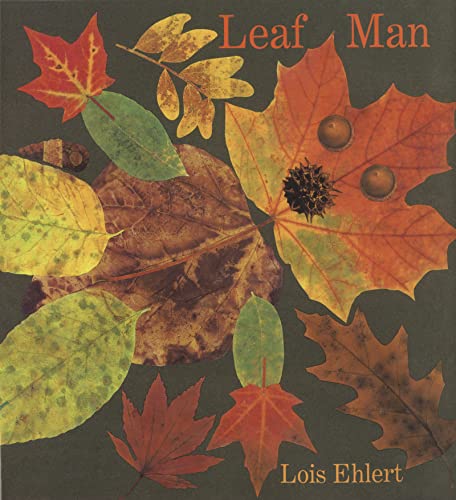
This book always makes me want to go outside immediately after reading it.
The illustrations are made entirely from real leaves, which is such a simple idea but so effective. Kids naturally start noticing shapes, colors, and patterns in nature after reading this.
It doesn’t over-explain anything—it just invites curiosity.
12. Fletcher and the Falling Leaves by Julia Rawlinson

This one is really gentle and emotional in the best way.
Fletcher is worried when the leaves start falling, and that feeling is actually really relatable for kids—something is changing, and they don’t quite understand why. The resolution is reassuring without being overly explained.
It’s a great book for talking about change in a way that feels safe and simple.
13. Because of an Acorn by Lola M. Schaefer

This book is simple but surprisingly powerful. It shows how one small thing—an acorn—connects to an entire ecosystem.
The language is minimal, but the message is big. It’s a great introduction to how everything in nature is connected, and it doesn’t feel like a lesson as you read.
This is one I’d come back to often because kids pick up something new each time.
14. The Scarecrow by Beth Ferry
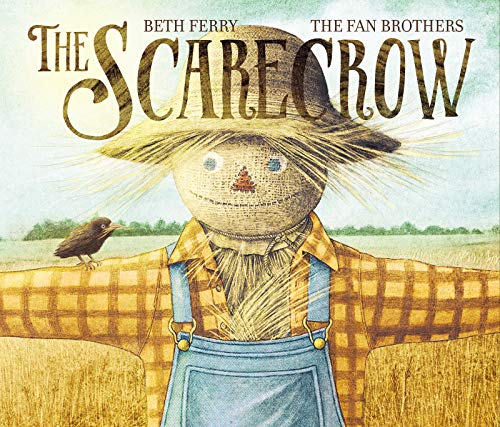
This one feels like a quiet, meaningful story that you want to slow down for.
It’s about friendship, patience, and change, and the pacing really reflects that. The illustrations are beautiful and add a lot to the story. It’s not a quick read, but it’s a really good one for winding down at the end of the day.
This is one that tends to stick with kids.
15. Goodbye Summer, Hello Autumn by Kenard Pak

This book is all about noticing. It walks through the transition from summer to fall in a really calm, observant way.
There’s no big plot—just a child moving through their environment and taking it in. It’s perfect for helping kids slow down and actually see what’s changing around them.
I love using this one as a starting point for conversations about what we’re noticing outside.
16. Little Elliot, Fall Friends by Mike Curato

This one is more character-driven and just fun to read.
It has a fall fair setting, which kids tend to love, and the story focuses on friendship and belonging. The illustrations are detailed without being overwhelming, and there’s enough going on to keep kids engaged.
It’s a lighter read compared to some of the others, which makes it a nice balance.
17. The Leaf Thief by Alice Hemming
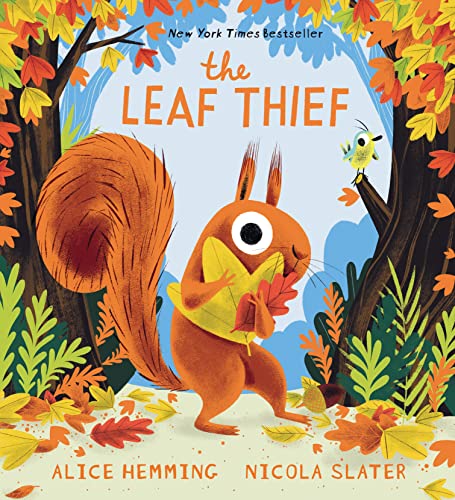
This one adds some humor to your fall book lineup.
It follows a squirrel who is convinced someone is stealing the leaves, and kids love the dramatic energy of it. It’s playful, a little chaotic, and a nice contrast to some of the quieter fall books.
It still teaches about seasonal change, but in a way that feels fun and engaging.
How to Use Fall Books to Explore the Season
One of the things I love most about seasonal books—especially fall books—is how naturally they connect to real life. You don’t have to plan a whole activity or “teach” anything. The book does the work, and your child takes it from there.
Instead of thinking of books as something separate, think of them as a starting point that spills into your day.
Here are a few really simple ways to do that:
Let the Book Lead (Don’t Over-Plan It)
After you read a fall book, pause for a second and see what your child does next. A lot of times, they’ll tell you what they’re interested in—whether that’s leaves, pumpkins, animals, or weather.
You don’t need to turn it into a structured activity. If they want to go outside and find leaves, go. If they start pretending to be a squirrel, lean into it. That’s where the real learning and engagement happen.
Bring the Story Outside
Fall is one of the easiest seasons to connect books to real experiences.
- Read about leaves → go outside and collect them
- Read about animals → look for squirrels or birds
- Read about changing seasons → notice what looks different today
Even a quick 10-minute walk after reading can make the book feel real to your child.
Connect Books to What You’re Already Doing
You don’t need to add anything extra to your day—just layer books into what’s already happening.
Going to a pumpkin patch?
→ Read a pumpkin book before or after.
Making soup or baking?
→ Pull out a cozy fall story while things cook.
Decorating for fall?
→ Read a book that highlights seasonal changes.
This helps kids make connections without it feeling forced.
Slow Down and Notice Together
Some fall books are really good at helping kids (and honestly, us too) slow down and observe.
After reading, try simple prompts like:
- “What did you notice in the book?”
- “Do you see anything like that outside?”
- “What’s different today than last week?”
You’re not quizzing them—you’re just helping them start to see their environment more clearly.
Re-Read (A Lot)
This is the part adults sometimes overlook—but it’s actually where the magic is.
Kids don’t just like repetition—they need it. When you read the same fall book over and over:
- They start predicting what happens next
- They notice new details
- They build confidence and understanding
So if your child wants the same book five times in a row… that’s not a bad thing. That’s exactly what you want.
Pair Books with Simple Materials
If you want to take it one small step further, you can bring in a few real-life items:
- Leaves, acorns, pinecones
- Mini pumpkins or gourds
- A basket of fall-themed loose parts
Set them out and let your child explore. No instructions needed. The book-and-materials combo naturally invites play.
- Check out my book Invitations to Play for 99 EASY, open-ended play setups using simple materials!
Tips for Choosing Fall Books for Kids
If you’re building your own fall book collection, here’s what I’ve found works best:
1. Look for books tied to real experiences
Kids connect more when they’ve done the thing (apple picking, jumping in leaves).
2. Prioritize simple, clear illustrations
Especially for toddlers, too much detail can be overwhelming.
3. Choose books you don’t mind reading 50 times
Because you will.
4. Mix cozy + playful
Some books for winding down, some that make kids laugh or move.
- Further explore the seasons with all the best spring books for kids!
Final Thoughts on Fall Books for Kids
The best fall books for kids aren’t just the ones with the prettiest illustrations or the most popular titles—they’re the ones your kids ask for again and again.
What I love about fall books is how naturally they connect to real life. You read about leaves, and suddenly your child is noticing them outside. You read about pumpkins, and it makes your next outing feel even more meaningful. It all starts to blend together in a really simple, natural way.
- Check out all the best fall jokes for kids!
No Comments