
Spring books for kids are one of the easiest ways to spark curiosity, encourage play, and help children connect with the changing world around them.
Spring is one of the most magical seasons for kids—flowers blooming, animals waking up, longer days, muddy puddles—and they feel that shift in their bodies. It naturally invites movement, exploration, and imagination and is the perfect time to explore outside with kids.
And the right books don’t just teach kids about spring—they invite them to notice, wonder, and play.
- Discoverer all the best Easter books for kids! Perfect for spring!
Below you’ll find some of the best spring books for kids, broken down by age.
In this post:
- Spring Books for Babies and Toddlers (0–2)
- Spring Books for Preschoolers (3–5)
- Spring Books for Early Elementary kids (5–8)
- How to Use Spring Books to Help Explore the Season
So here are all my favorite Spring books for kids to help your family embrace the season!
We get commissions for purchases made through links in this post. As an Amazon Associate, we earn from qualifying purchases.
Spring Books for Babies and Toddlers (Ages 0-2)
1. Little Blue Truck’s Springtime

Little Blue Truck’s Springtime by Alice Schertle is a fun, interactive board book that follows Little Blue Truck as he explores springtime on the farm, meeting baby animals along the way. With lift-the-flap surprises and playful rhymes, it’s especially perfect for fans of the original Little Blue Truck.
Why I love it:
Simple, engaging, and perfect for toddlers—plus the flaps and repetition keep kids coming back again and again.
2. Baby Loves Spring

Baby Loves Spring! by Karen Katz is a bright, cheerful board book that introduces little ones to spring through simple text, bold illustrations, and interactive lift-the-flap surprises. It highlights familiar seasonal experiences like flowers, baby animals, and outdoor play in a way that’s easy for toddlers to connect with.
Why I love it:
It’s playful, colorful, and perfectly designed for little hands—great for building early vocabulary while keeping toddlers engaged.
3. Spring it Here

Spring Is Here by Will Hillenbrand is a gentle, heartwarming story about a mole trying to wake his bear friend from hibernation as spring arrives. Through simple text and soft illustrations, it captures the excitement and patience that come with seasonal change. It’s a great pick for fans of books in the Bear and Mole series.
Why I love it:
It’s calm, sweet, and relatable for young kids—perfect for showing that spring arrives slowly, not all at once.
- Check out more fun bear books for kids!
Spring Books for Preschoolers (Ages 3-5)
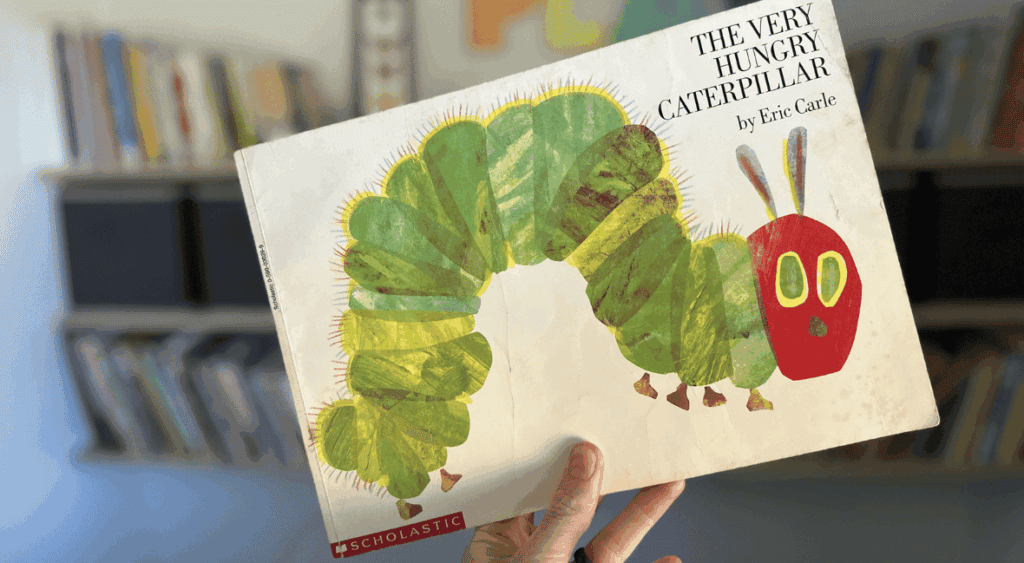
4. The Very Hungry Caterpillar

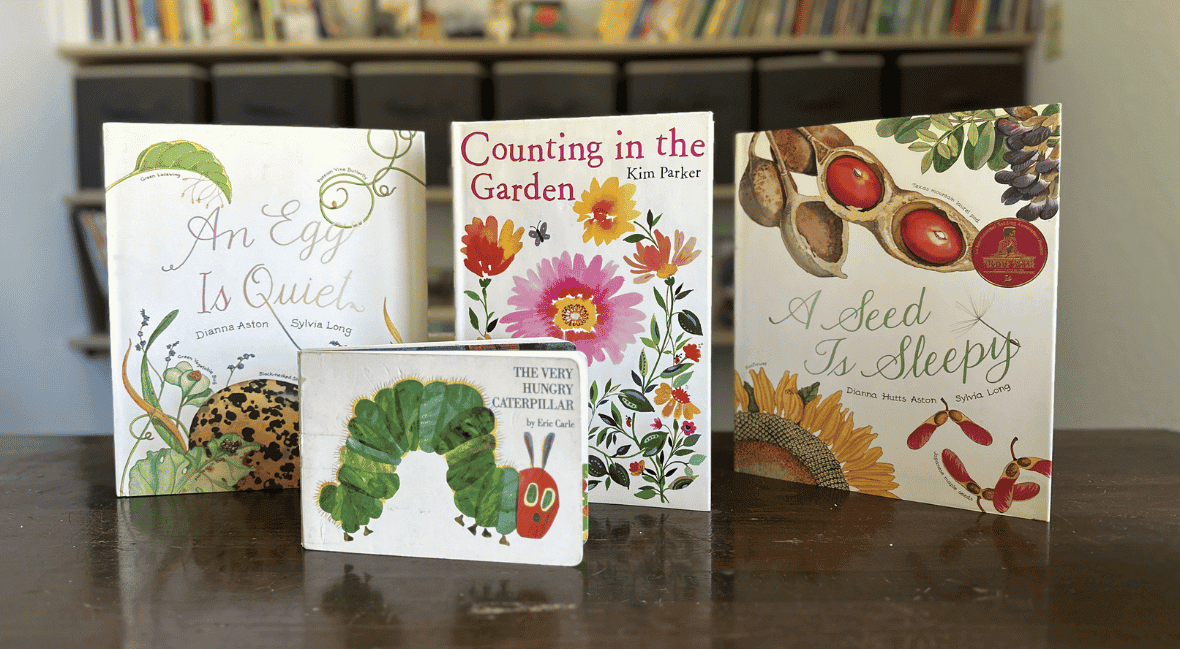
The Very Hungry Caterpillar by Eric Carle is a classic spring story that follows a tiny caterpillar as he eats his way through a variety of foods before transforming into a butterfly. With its repetitive structure, colorful collage illustrations, and simple storyline, it introduces early concepts like counting, days of the week, and life cycles.
Why I love it:
I’ve read this book so many times I practically have it memorized—that’s how much kids love it. It’s one they ask for again and again because it’s so fun and engaging.
5. Up in the Garden and Down in the Dirt
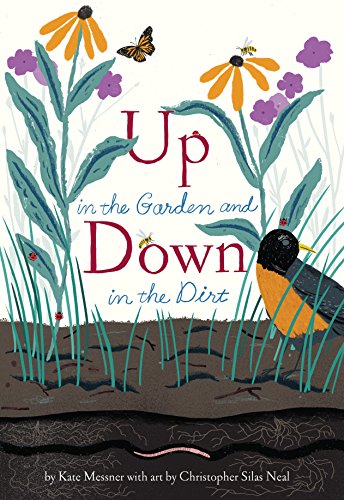
Up in the Garden and Down in the Dirt by Kate Messner is one of those books I genuinely enjoy reading with kids. It shows what’s happening in a spring garden both above the soil and below it—where all the bugs and hidden activity are. The illustrations are beautiful, and there’s just enough detail to keep kids curious without overwhelming them.
Why I love it:
I love how it helps kids realize there’s a whole world happening that we don’t always see—it naturally leads to more questions, more noticing, and more exploration outside.
6. Planting a Rainbow
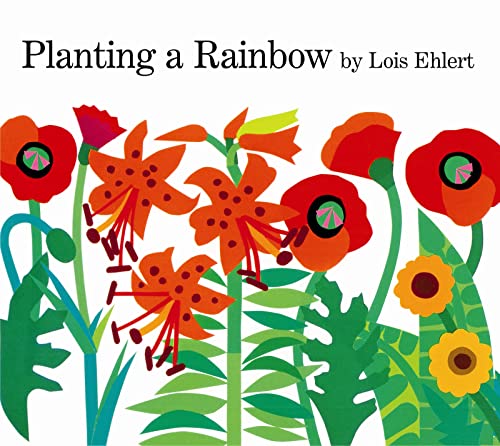
Planting a Rainbow by Lois Ehlert is a vibrant, engaging book that walks through the real process of planting a flower garden—from bulbs and seeds to blooming flowers in every color. The bold, collage-style illustrations make it easy for kids to follow along and understand how gardens actually grow.
Why I love it:
It connects really well to actual planting—you can read it and then go plant seeds or flowers together, and kids immediately recognize what’s happening.
7. When Spring Comes
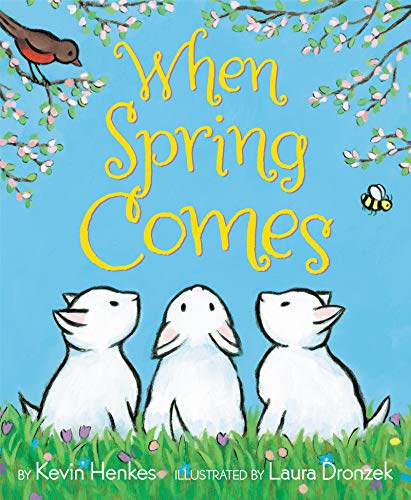
When Spring Comes by Kevin Henkes is beautifully written, with simple, lyrical text that gently walks kids through the transition from winter to spring. It doesn’t rush the process—instead, it clearly shows the melting snow, muddy ground, and gradual changes that lead to blooming flowers and warmer days. The soft illustrations pair perfectly with the writing, making the shift between seasons feel calm and easy to understand.
Why I love it:
The writing is just so good—it captures that slow, in-between feeling of winter turning into spring in a way kids can actually see and relate to outside.
8. And Then It’s Spring

And Then It’s Spring by Julie Fogliano is a quiet, beautifully written story about planting seeds and waiting for spring to arrive. The muted brown tones slowly shift to green as the story unfolds, clearly showing the transition from winter to spring and the patience it takes for things to grow.
Why I love it:
It perfectly captures that feeling of waiting and wondering—kids really connect to it, especially when they’re watching for those first signs of green outside.
9. Counting in the Garden

Counting in the Garden by Kim Parker is a beautifully illustrated counting book that introduces numbers through flowers, insects, and other garden elements. Each page features vibrant, detailed artwork that draws kids in while they practice early math skills in a spring setting.
Why I love it:
The illustrations are what really make this one—it feels more like a piece of art than a typical counting book, and kids naturally linger on each page.
10. Worm Weather

Worm Weather by Jean Taft is a playful, rhyming story that captures a rainy spring day when worms come out and kids head outside to splash, stomp, and explore. The rhythmic text and lively illustrations make it feel energetic and fun from start to finish.
Why I love it:
It totally captures that messy, joyful side of spring—kids immediately want to go jump in puddles after reading it so make sure you have your rain gear ready!
11. Busy Spring

Busy Spring: Nature Wakes Up by Sean Taylor is a sweet, simple story that follows a dad and kids heading out for a walk as spring starts to wake up around them. They notice flowers, birds, and all the little changes happening along the way, making it feel like a really relatable, everyday family moment.
Why I love it:
It feels like a real-life walk with a kid—slow, curious, and full of little observations you might otherwise miss.
Spring Books for Early Elementary (Ages 5-8)
12. A Butterfly is Patient
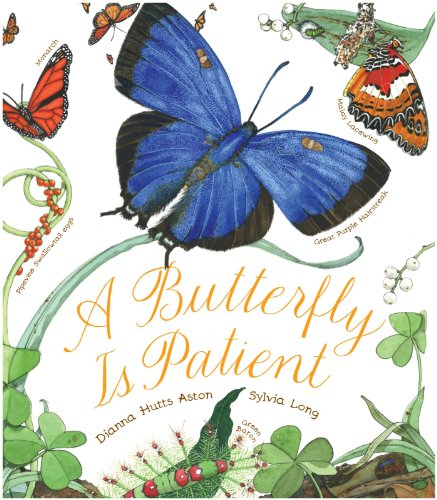
A Butterfly Is Patient by Dianna Hutts Aston is a beautifully written nonfiction-style book that explores the life, behaviors, and characteristics of butterflies. With detailed, realistic illustrations and poetic language, it gives kids a deeper look at these insects beyond just the life cycle.
Why I love it:
It feels more elevated than a typical kids book—the writing is rich, the illustrations are stunning, and kids can keep coming back to it and noticing something new each time.
- Check out these fun and hands-on bug activities for preschoolers!
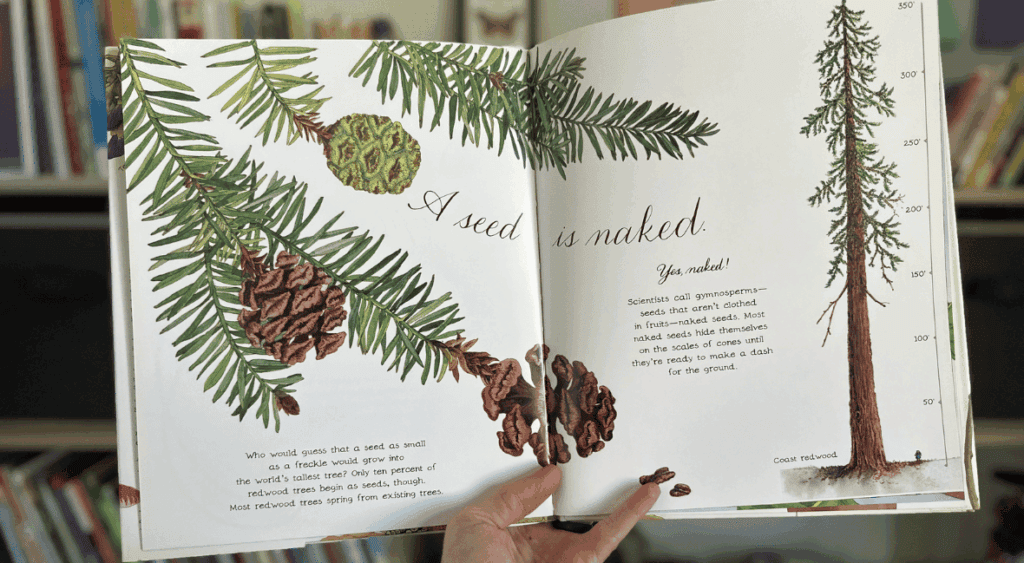
13. A Seed is Sleepy

A Seed Is Sleepy by Dianna Hutts Aston is another beautiful nature book from the same author as A Butterfly Is Patient. It explores the world of seeds—how different they can look, how they travel, and how they eventually grow—using gentle, descriptive language and incredibly detailed illustrations.
Why I love it:
If you’ve read A Butterfly Is Patient, this has a similar feel but focuses on plants instead—and it’s just as amazing of a read. It’s calm, interesting, and one kids can grow into over time.
14. An Egg is Quiet

An Egg Is Quiet by Dianna Hutts Aston is another stunning nonfiction-style book from the same author and illustrator, this time exploring the wide variety of eggs found in nature. With rich language and incredibly detailed illustrations, it introduces kids to different shapes, sizes, and types of eggs in a way that feels both informative and beautiful.
Why I love it:
Just like her other books, it’s calm, visually captivating, and full of interesting details—great for all the same reasons and one kids can keep coming back to.
15. Diary of a Worm

Diary of a Worm by Doreen Cronin is a funny, diary-style book that gives kids a peek into the everyday life of a worm—digging tunnels, avoiding birds, and dealing with being…well, a worm. It mixes simple science concepts with lots of humor in a way that’s really engaging.
Why I love it:
It’s pretty hilarious. Kids love the silly perspective, and it’s one of those books that actually makes you laugh while you’re reading it, too.
How to Use Spring Books to Help Explore the Season
Spring books can be more than just something you read—they can be a starting point for helping kids actually experience the season.
Here are a few simple, realistic ways to use spring books to explore what’s happening outside:
Read It, Then Go Look for It
After reading a book about flowers, bugs, or weather, head outside and see what you can find. Bonus points for bringing a magnifying glass.
You don’t need a plan—just notice together:
- “Do you see anything we saw in the book?”
- “What looks different than yesterday?”
This helps kids connect books to real life in a meaningful way.
Follow Their Curiosity
If a book sparks interest in something specific (worms, butterflies, rain, etc.), lean into it.
That might look like:
- Watching worms after it rains
- Looking for buds on trees
- Checking the same spot every day for changes
You don’t need to “teach”—just follow what they’re already interested in.
Revisit the Same Book Throughout the Season
Spring changes quickly. A book that feels one way in early spring might feel different a few weeks later.
Reading the same book again helps kids:
- Notice new details
- Make connections
- See changes over time
Embrace Real Spring Weather
Not every spring day is sunny—and that’s part of the experience.
Read books about rain, mud, or changing weather, then go outside anyway (when it’s safe):
- Jump in puddles
- Feel the rain
- Notice how things look and smell
Keep It Simple
You don’t need crafts, printables, or big setups.
The most meaningful connections come from:
- Reading together
- Going outside
- Noticing what’s already there
Spring books give kids a lens to see the world—but it’s what happens after the book that really sticks.
Final Thoughts on Spring Books for Kids
Spring books for kids are such a simple way to slow down and really notice what’s happening around us.
They help kids see the small changes—the buds, the bugs, the muddy ground—and make sense of a season that’s constantly shifting. And the more we pair books with real-life experiences, the more meaningful they become.
You don’t need to read all of these or do anything elaborate. Just pick a few, read them together, and step outside.
Spring will do the rest.
What are you favorite spring books?


No Comments