
Children are naturally curious. One week, they may be fascinated by painting, the next, they’re building forts in the backyard, and soon after, they want to learn a musical instrument. While it’s normal for kids to explore different interests, parents often wonder how to help them develop hobbies that last beyond a passing phase.
Lifelong hobbies offer much more than entertainment. They encourage creativity, confidence, discipline, and emotional well-being while providing children with meaningful ways to spend their time as they grow.
The goal isn’t to make children commit to one activity forever, but to help them discover interests they genuinely enjoy and can continue to develop over the years.
By providing encouragement, opportunities, and patience, parents can help children move beyond short-term excitement and build hobbies that enrich their lives well into adulthood.
Why Lifelong Hobbies Matter
A hobby is more than simply a way to stay busy. Hobbies allow children to engage deeply in things they love and to further discover what brings them joy.
It helps children:
- Build confidence and resilience
- Develop patience
- Learn new skills
- Express creativity
- Reduce stress
- Improve focus
- Form friendships
- Discover personal strengths
Unlike fleeting trends or screen-based entertainment, hobbies often grow alongside children, becoming an important part of their identity.
Why Many Interests Fade Quickly
Children often lose interest because:
- The activity becomes too difficult too soon.
- They were pressured instead of encouraged.
- The experience wasn’t enjoyable.
- Expectations focused only on performance.
- They didn’t have enough time to improve.
Trying many activities isn’t a problem. The key is giving children enough time to discover what truly excites them before deciding whether an interest is temporary or lasting.
Tips for Building Hobbies
1. Let Curiosity Lead the Way
Children are more likely to stick with hobbies they choose themselves. Instead of selecting every activity for them, encourage exploration.
Ask questions like:
- What sounds fun?
- What would you like to learn?
- Which activity makes you excited?
When children feel a sense of ownership over their choices, they’re naturally more motivated.
2. Encourage Exploration Without Pressure
Parents sometimes worry that changing activities means failure. In reality, exploring different hobbies helps children understand their preferences.
Trying art, music, gardening, coding, cooking, photography, or skateboarding may eventually lead them to discover a lifelong passion.
The goal isn’t to master every activity but to keep curiosity alive.
3. Focus on Enjoyment Before Achievement
Competition can motivate some children. For others, it creates unnecessary stress.
When introducing a new hobby:
- Celebrate participation.
- Praise effort.
- Avoid constant comparisons.
- Let learning happen naturally.
Children who enjoy the process are far more likely to continue.
4. Give Hobbies Time to Develop
Many worthwhile hobbies feel difficult at first. Learning takes patience.
Encourage children to stay with an activity long enough to experience improvement before deciding whether it’s right for them. Small successes often spark lasting motivation.
5. Support Different Types of Hobbies
Every child has unique interests. Consider introducing activities from different categories.
Creative hobbies
- Drawing
- Painting
- Pottery
- Writing
- Photography
Physical hobbies
- Swimming
- Hiking
- Cycling
- Dance
- Martial arts
Intellectual hobbies
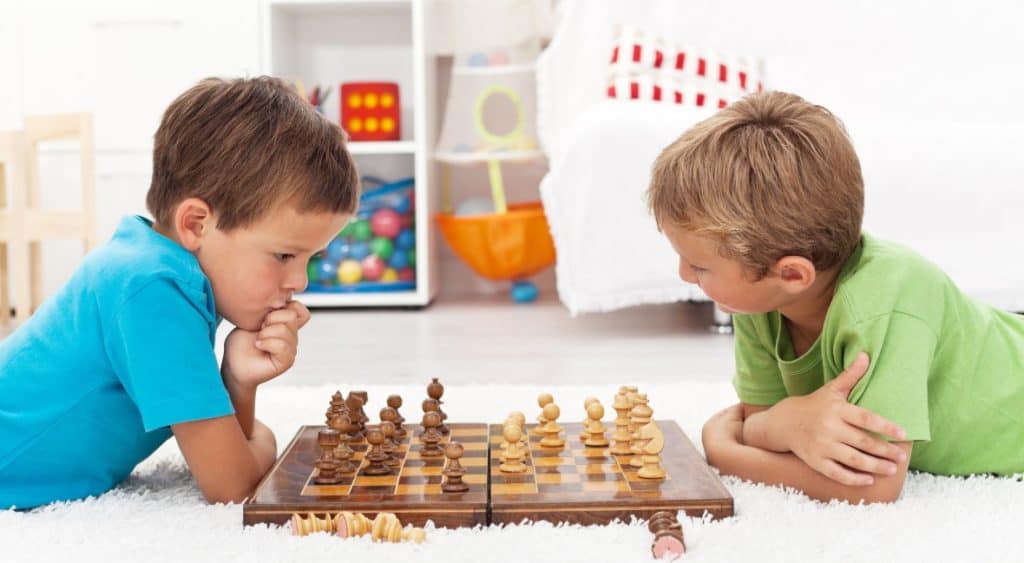
- Chess
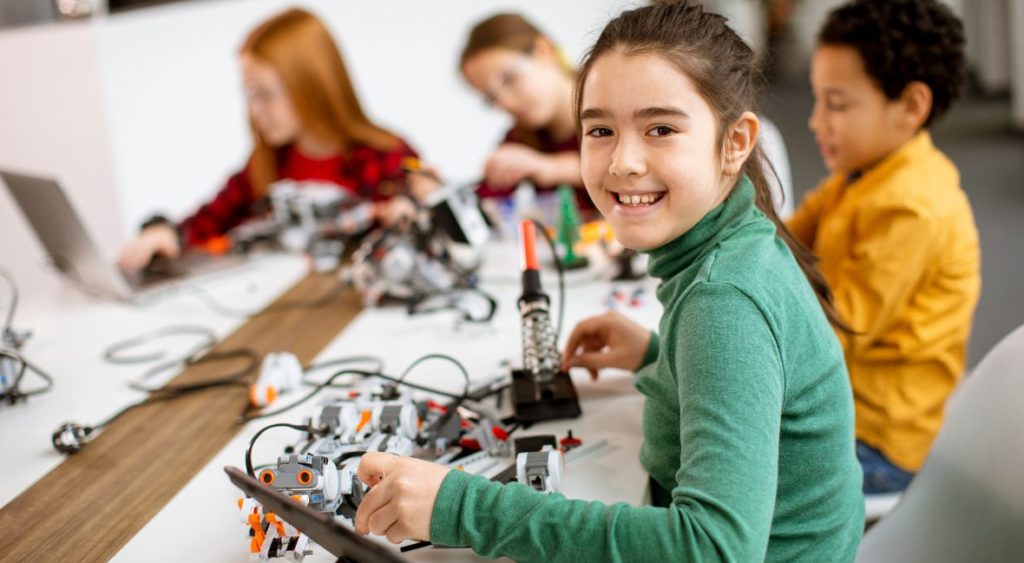
- Robotics
- Reading
- Coding
- Science experiments
Practical hobbies
- Gardening
- Cooking
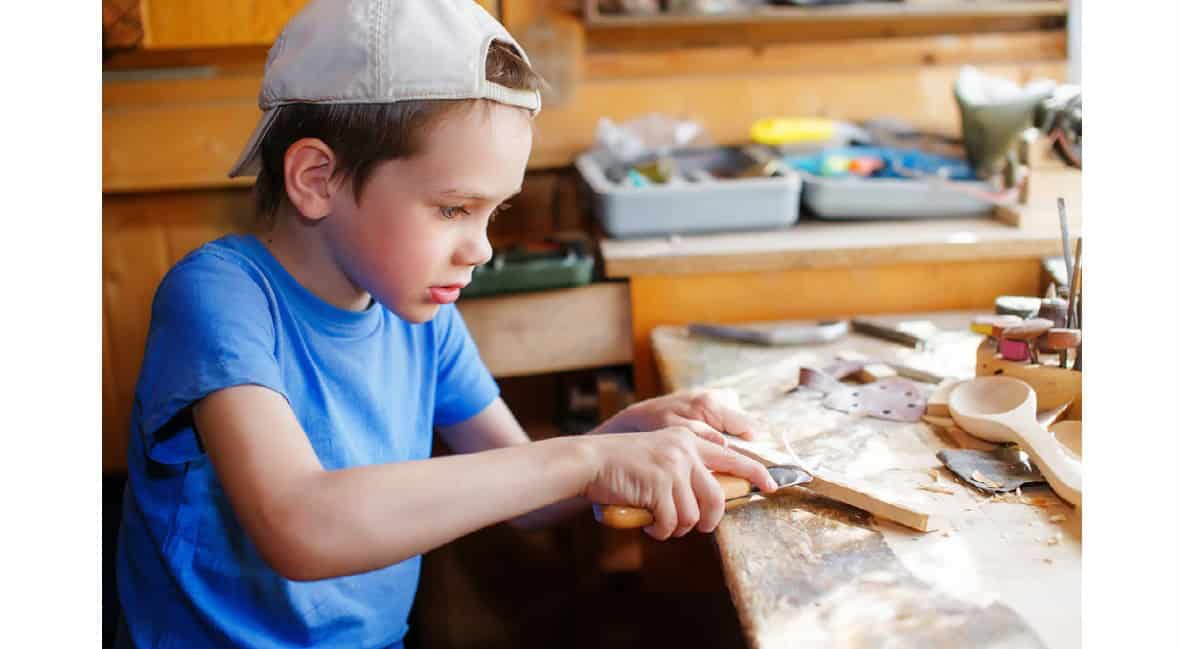
- Woodworking
- Sewing
- Baking
Exposure to variety increases the chance of discovering a lifelong interest.
6. Create Opportunities at Home
Children don’t always need expensive classes. Simple experiences at home can inspire lasting hobbies.
Ideas include:
- Family cooking nights
- Backyard gardening
- DIY craft projects
- Reading challenges
- Puzzle evenings
- Bird watching
- Building models
Regular exposure makes hobbies feel like a natural part of everyday life.
7. Be a Positive Role Model
Children notice what adults enjoy.
Parents who regularly:
- Read books
- Exercise
- Paint
- Garden
- Cook
- Play music
Show children that hobbies continue throughout adulthood. Seeing parents enjoy learning encourages children to do the same.
8. Allow Mistakes and Frustration
Children rarely become skilled immediately.
Learning includes:
- Mistakes
- Practice
- Setbacks
- Small improvements
Parents who normalize these experiences help children develop persistence.
Instead of saying: “You’ll get it right.”
Try saying: “You’re improving every time you practice.”
This simple shift encourages resilience.
9. Help Children Set Personal Goals
Goals give hobbies direction.
Examples include:
- Finishing a painting
- Reading ten books
- Learning five songs
- Growing vegetables
- Completing a model
Personal goals encourage motivation without creating unhealthy pressure.
10. Celebrate Progress, Not Perfection
Children often compare themselves with others. Parents can help by recognizing growth instead.
Celebrate:
- Trying something new
- Practicing consistently
- Solving problems
- Learning from mistakes
- Completing projects
These moments reinforce that effort matters more than perfection.
Lifelong Hobbies Build More Than Skills
The greatest value of hobbies isn’t becoming an expert. It’s developing qualities that benefit children throughout life.
Long-term hobbies help children build:
- Confidence
- Patience
- Creativity
- Discipline
- Independence
- Emotional resilience
- Time management
- Self-expression
These skills transfer into school, relationships, and future careers.
Signs a Hobby May Become Lifelong
Parents may notice that children:
- Return to the activity without reminders.
- Talk enthusiastically about it.
- Practice independently.
- Ask thoughtful questions.
- Look for ways to improve.
- Enjoy the activity even without rewards.
These signs often indicate genuine interest rather than temporary excitement.
Common Mistakes Parents Should Avoid
Even with the best intentions, parents can unintentionally reduce a child’s enthusiasm.
Try to avoid:
- Overloading schedules
- Comparing siblings
- Focusing only on winning
- Expecting immediate excellence
- Giving up too quickly
- Choosing hobbies based only on popularity
Children develop lasting interests when they feel supported rather than pressured.
Helping Hobbies Grow Over Time
As children mature, their hobbies may evolve.
A child who enjoys drawing might later explore graphic design. Someone interested in cooking could become passionate about nutrition. A child who loves reading may eventually enjoy creative writing.
Parents should allow hobbies to grow naturally instead of expecting them to remain exactly the same.

Helping children discover lifelong hobbies isn’t about finding the “perfect” activity as quickly as possible. It’s about creating an environment where curiosity is encouraged, mistakes are accepted, and learning is enjoyable.
When children are free to explore different interests without pressure, they’re more likely to develop hobbies that genuinely match their personalities, strengths, and passions.
The hobbies children embrace today can become lifelong sources of confidence, creativity, and personal fulfillment. Whether they’re creating art, exploring nature, building projects, cooking with family, or developing practical skills, each meaningful experience contributes to their overall growth.
Parents play an essential role by offering encouragement, celebrating progress, and allowing children the freedom to discover what truly excites them. Over time, these interests become more than simple pastimes. They become opportunities for lifelong learning, emotional well-being, and self-expression.
By investing in experiences rather than expectations, families can help children develop hobbies that continue to bring joy, purpose, and valuable life skills long after childhood.



No Comments